
Some community wins happen overnight. Others take a decade and a half of persistence, planning, and unwavering belief that something better is possible.
The African American Holistic Resource Center (AAHRC) in Berkeley is the latter: and it's exactly the kind of transformative project that reminds us why patient, community-centered investment matters. After receiving groundbreaking approval on January 23, 2026, this $15 million, 6,000-square-foot facility is finally moving from vision to reality, with construction tentatively scheduled to begin in 2027.
This isn't just another community center. It's a masterclass in how real, lasting change gets built: one funding cycle, one community meeting, one persistent advocate at a time. And for organizations like McFadden Finch Holdings Company, it's a powerful reminder of why our Foundation for Community Enrichment exists: to champion projects that don't just serve communities, but fundamentally transform them.
What Makes AAHRC Different
Located at 1890 Alcatraz Avenue in Berkeley, the AAHRC is being purpose-built to serve African American residents: particularly those from South and West Berkeley neighborhoods and community members who've been displaced by gentrification and systemic racism.
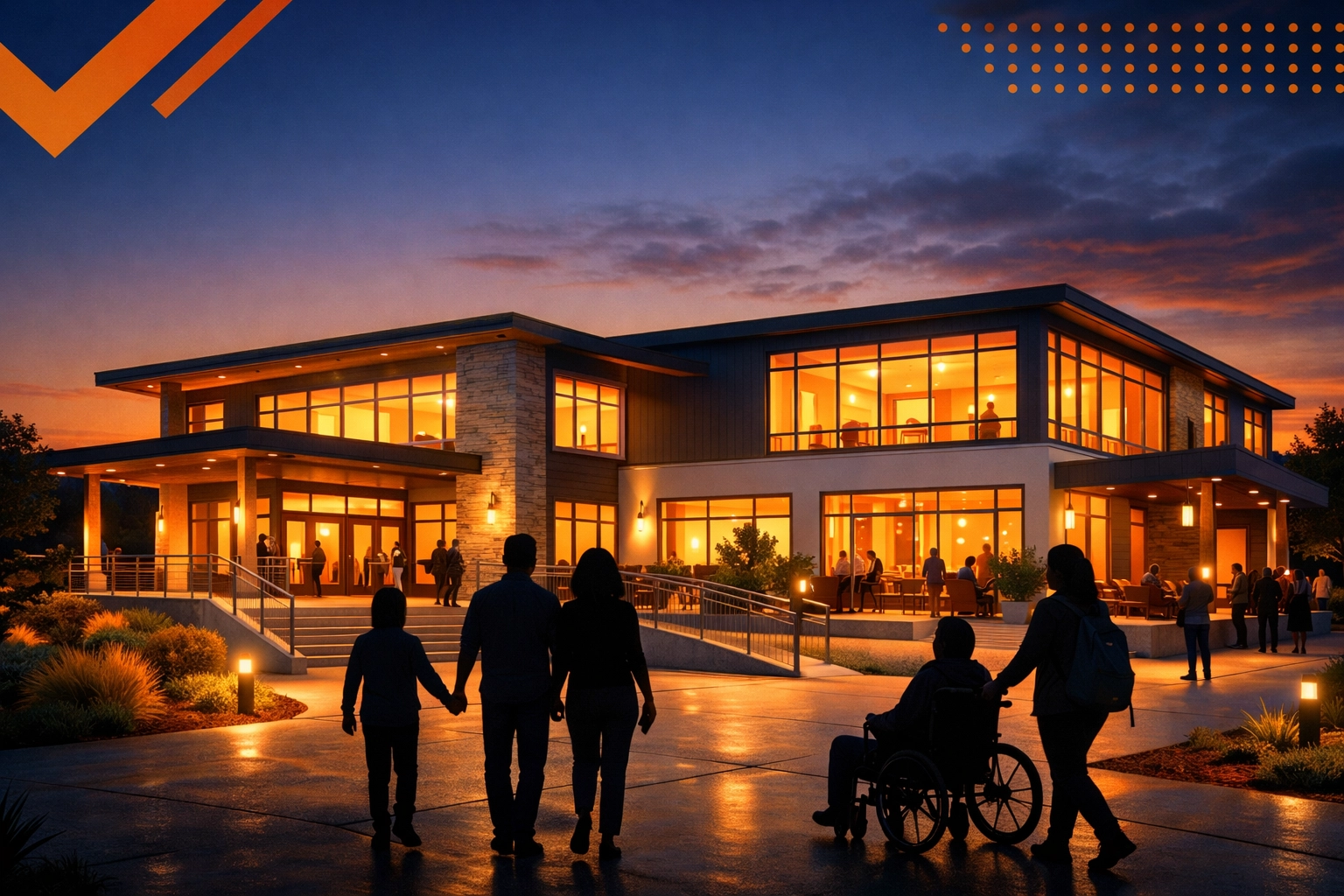
This two-story facility isn't trying to be everything to everyone. Instead, it's laser-focused on delivering culturally responsive services that actually address the specific needs of the Black community:
Health & Wellness
- Health education and screening programs
- Mental wellness support and counseling
- Holistic health resources
Educational & Economic Support
- Educational supports and tutoring programs
- Social services referrals and navigation
- Housing advocacy and assistance
Cultural & Community Connection
- Cultural and ethnic events celebrating African American heritage
- Recreational programming for all ages
- Community meeting spaces for organizing and connection
The word "holistic" isn't marketing speak here: it's the entire point. By addressing health, education, housing, culture, and community under one roof, the AAHRC recognizes what too many traditional service models miss: that these needs don't exist in isolation. They're interconnected, and solving them requires an integrated approach.
The Funding Story: When Community Persistence Meets Public Investment
Here's where the 15-year timeline gets real. Securing $15.1 million in funding for a project like this doesn't happen because one person wrote one grant application. It happens because a community showed up, again and again, making the case that this investment mattered.
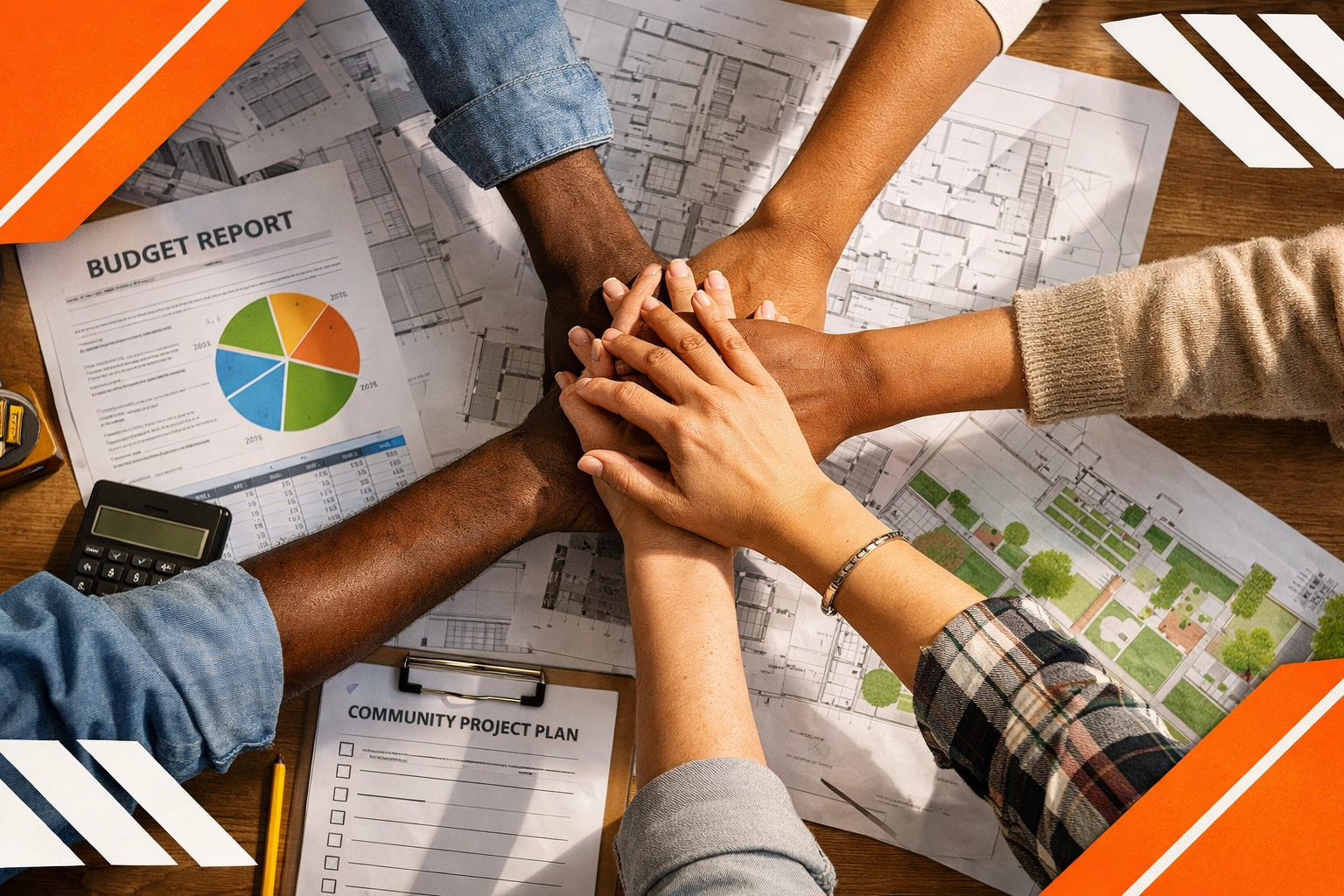
The funding breakdown tells the story of sustained advocacy:
- Measure T1 Phase 2: $7.0 million (voter-approved community funding)
- General Fund allocations: $7.1 million ($6.85M from 2023 budget + $250K from 2020)
- Federal HUD Grant: $1.0 million
That's three different funding sources, spanning multiple budget cycles and political administrations. Each one required community members to testify, organize, educate, and persist: often while navigating the very systems of displacement and inequity the center is designed to address.
This is what community-driven development actually looks like. Not flashy ribbon-cuttings announced six months before groundbreaking, but years of unglamorous work: zoning meetings, budget hearings, feasibility studies, community input sessions, revised proposals, and more budget hearings.
Why This is a Blueprint for Impact (Not Just Another Building)
The AAHRC model matters because it solves for something most community development projects struggle with: sustainability through integration.
Too often, community services are fragmented. Mental health services live in one building. Housing advocacy happens across town. Cultural programming exists (maybe) in a church basement or borrowed school cafeteria. This fragmentation creates barriers: transportation challenges, scheduling conflicts, lack of trust when services feel transactional rather than relational.
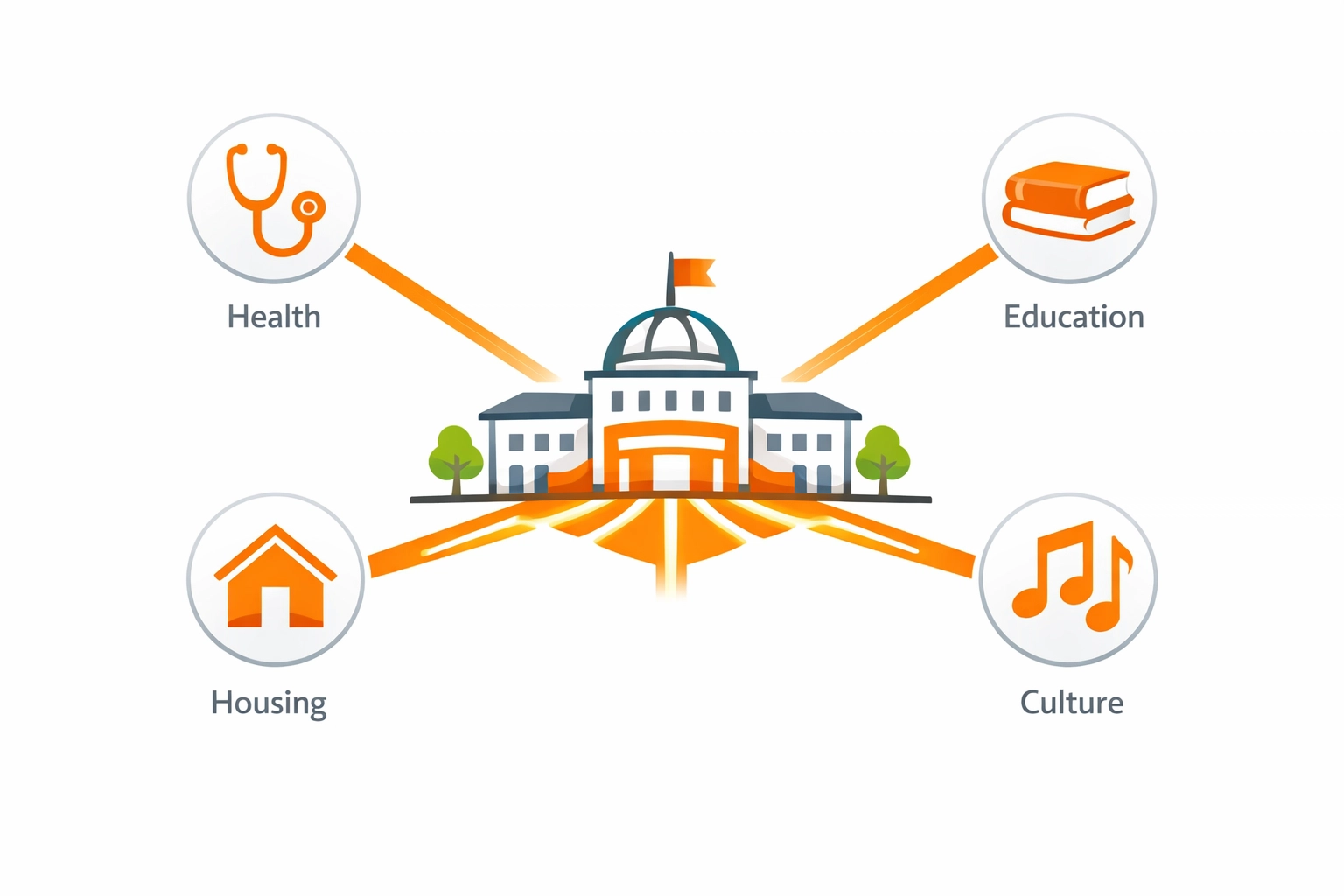
The AAHRC flips that script by offering:
- One-stop accessibility that reduces barriers to support
- Culturally competent services designed with the community, not for them
- Multi-generational programming that serves entire families
- Community ownership rooted in years of local advocacy and input
- Sustainable funding diversified across local, state, and federal sources
This integrated approach doesn't just make services easier to access: it fundamentally changes the relationship between community members and institutional support. When you can get mental health counseling, housing advocacy, and participate in a cultural celebration in the same welcoming space, it stops feeling like "accessing services" and starts feeling like community.
The McFadden Finch Connection: Why We Champion Long-Game Projects
At McFadden Finch Holdings Company, we talk a lot about sustainable growth, community investment, and creating lasting value. The AAHRC is what that philosophy looks like in practice.
Through our Foundation for Community Enrichment, we're committed to supporting projects that mirror this same patient, community-centered approach. Not because they deliver quick returns or generate flashy headlines, but because they solve real problems in sustainable ways.
The parallel is clear: Just as the AAHRC took 15 years of community organizing and strategic funding to materialize, meaningful community impact requires stakeholders willing to play the long game. It requires:
- Listening to communities before designing solutions
- Building diverse funding partnerships that reduce vulnerability
- Staying committed through political and economic cycles
- Measuring success in community wellbeing, not just ROI
- Centering equity in every design and implementation decision
This isn't charity. It's smart investment in the social infrastructure that makes thriving communities: and thriving local economies: possible.
What Happens Next (And Why It Still Matters)
With groundbreaking approval secured in January 2026 and construction tentatively starting in 2027, the AAHRC is moving into its most critical phase: turning blueprints into reality while maintaining the community trust and vision that got it here.

The coming months will require:
- Finalizing architectural and construction plans
- Engaging contractors and community benefit agreements
- Continued community input on programming and operations
- Hiring and training culturally competent staff
- Building partnerships with health, education, and housing providers
Even with funding secured, nothing about this phase is guaranteed. Construction costs fluctuate. Political priorities shift. Community needs evolve. Staying true to the original vision while adapting to reality takes the same persistence that got the project this far.
But here's what 15 years of advocacy teaches: communities that show up, consistently, tend to get what they organize for. Not always on the timeline they hoped. Not always exactly as originally envisioned. But when the commitment is real and the need is urgent, progress happens.
The Bigger Picture: Community Development That Actually Works
The AAHRC story matters beyond Berkeley. It's a reminder that while quick-flip real estate and overnight unicorn startups dominate headlines, some of the most transformative work in the Bay Area happens slowly, methodically, and with deep community roots.
As we watch this project move from approval to construction to operation, we're not just seeing a building go up. We're watching a community reclaim space, assert dignity, and build the infrastructure for generational wellbeing.
That's the kind of impact worth waiting 15 years for.
And it's exactly the kind of community-centered transformation that the McFadden Finch Foundation for Community Enrichment exists to champion. Because real change isn't built in a quarter. It's built in a generation: one persistent, community-driven project at a time.
Want to see how we're supporting long-term community impact across the Bay Area? Visit our Foundation page to explore our approach to community enrichment and sustainable development.
#CommunityDevelopment #BayAreaImpact #AfricanAmericanHolisticResourceCenter #BerkeleyCA #McFaddenFinchFoundation