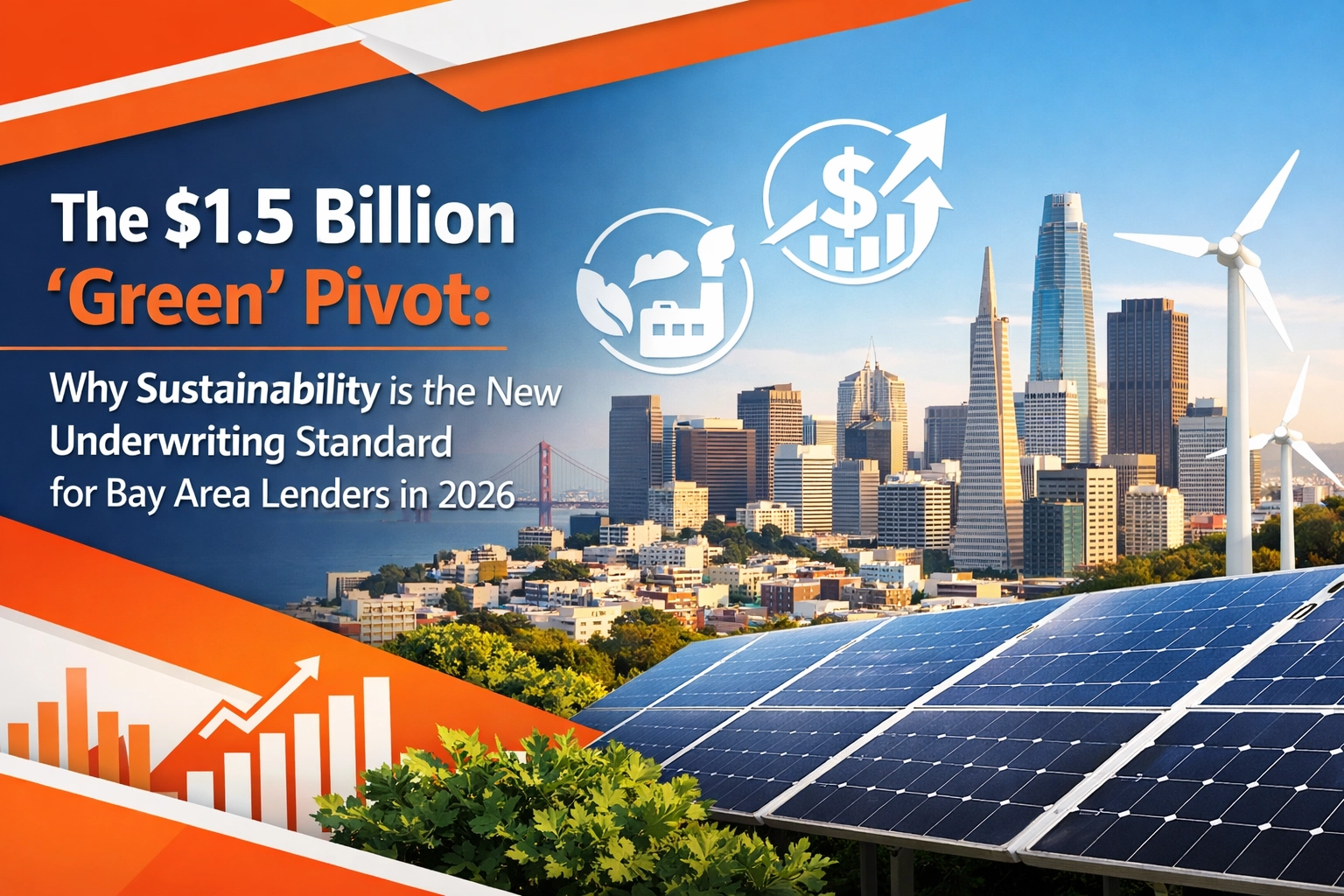
In 2026, the strongest Bay Area enterprises aren't just measuring success by their bottom line: they're measuring it by their "Return on Community."
Across San Francisco, Oakland, and the greater Bay Area, a fundamental shift is underway. Business leaders are recognizing that sustainable business growth and Bay Area community impact aren't competing priorities: they're inseparable strategies. The companies thriving this year are those embedding social responsibility into their operational DNA, creating value that ripples outward from boardrooms to block parties.
This roadmap serves as a central hub for business owners, investors, and community advocates seeking to understand how authentic engagement drives both profit and purpose in one of the world's most dynamic economic regions.
What This Roadmap Solves
- Bridging the gap between corporate growth and local needs : Moving beyond transactional philanthropy toward integrated community partnership
- Building long-term brand trust through authentic social responsibility : Creating stakeholder loyalty that withstands market volatility
- Creating measurable impact across real estate, pet care, and investment sectors : Demonstrating that every industry can contribute meaningfully to community enrichment 2026
The Shift to Hyper-Local Philanthropy: Why Deep Roots Matter More Than Broad Checks
The era of writing large, impersonal checks to distant causes is fading. In 2026, Bay Area business trends point decisively toward hyper-local engagement: philanthropy that starts on your own street corner and radiates outward.
Why does this approach deliver stronger results? Because communities can see, feel, and verify local impact. When a restaurant group sponsors neighborhood youth programs, when a real estate firm invests in affordable housing initiatives, when a pet care organization partners with local shelters: these actions build trust that no marketing campaign can replicate.
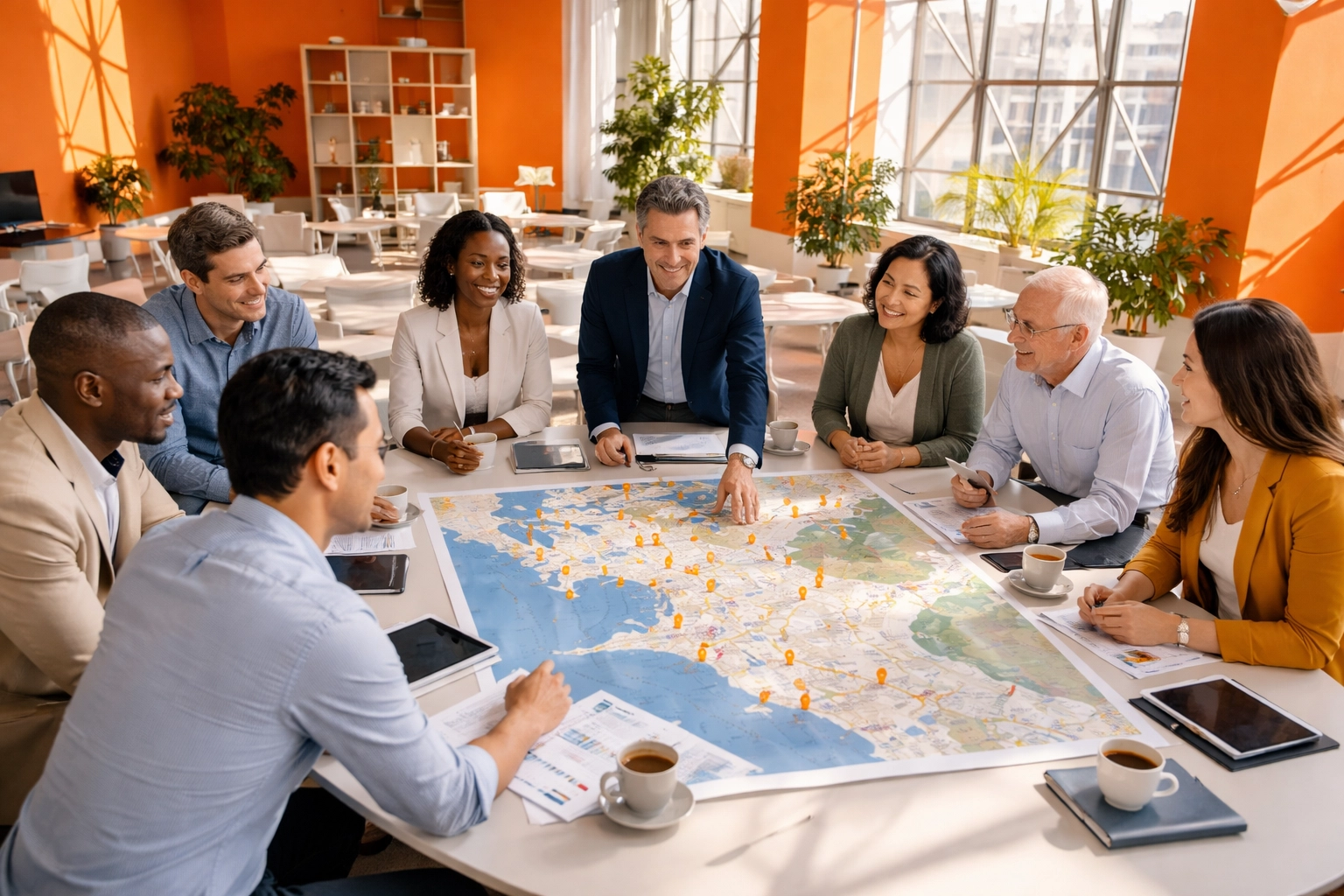
The Bay Area Council's Roadmap for Economic Resilience emphasizes this shift, recommending coordinated regional solutions that engage business and local leaders in discussions about job growth and community development. Cities like Pleasanton are already implementing streamlined processes to help businesses integrate more quickly into the community fabric.
For business leaders, the actionable insight is clear: identify the three-block radius around your operations and ask what genuine needs exist there. Start small, start authentic, and scale from a foundation of real relationships.
Sustainable Real Estate as a Community Foundation
Real estate shapes neighborhoods more than almost any other industry. Where buildings rise, how they're designed, and who can afford to live or work in them: these decisions determine community character for generations.
Drea Finch Real Estate Services and Atlas Premier exemplify how real estate operations can prioritize community enrichment alongside profitability. Their approach integrates:
- Sustainable building practices that reduce environmental footprint while creating healthier living spaces
- Workforce housing initiatives that keep essential workers close to employment centers
- Mixed-use developments designed to foster neighborhood interaction and local commerce
- Partnership with community organizations to ensure development aligns with resident needs
The most successful real estate firms in the Bay Area aren't just building properties: they're building neighborhoods. This requires listening sessions with existing residents, transparent communication about development plans, and genuine willingness to modify projects based on community feedback.
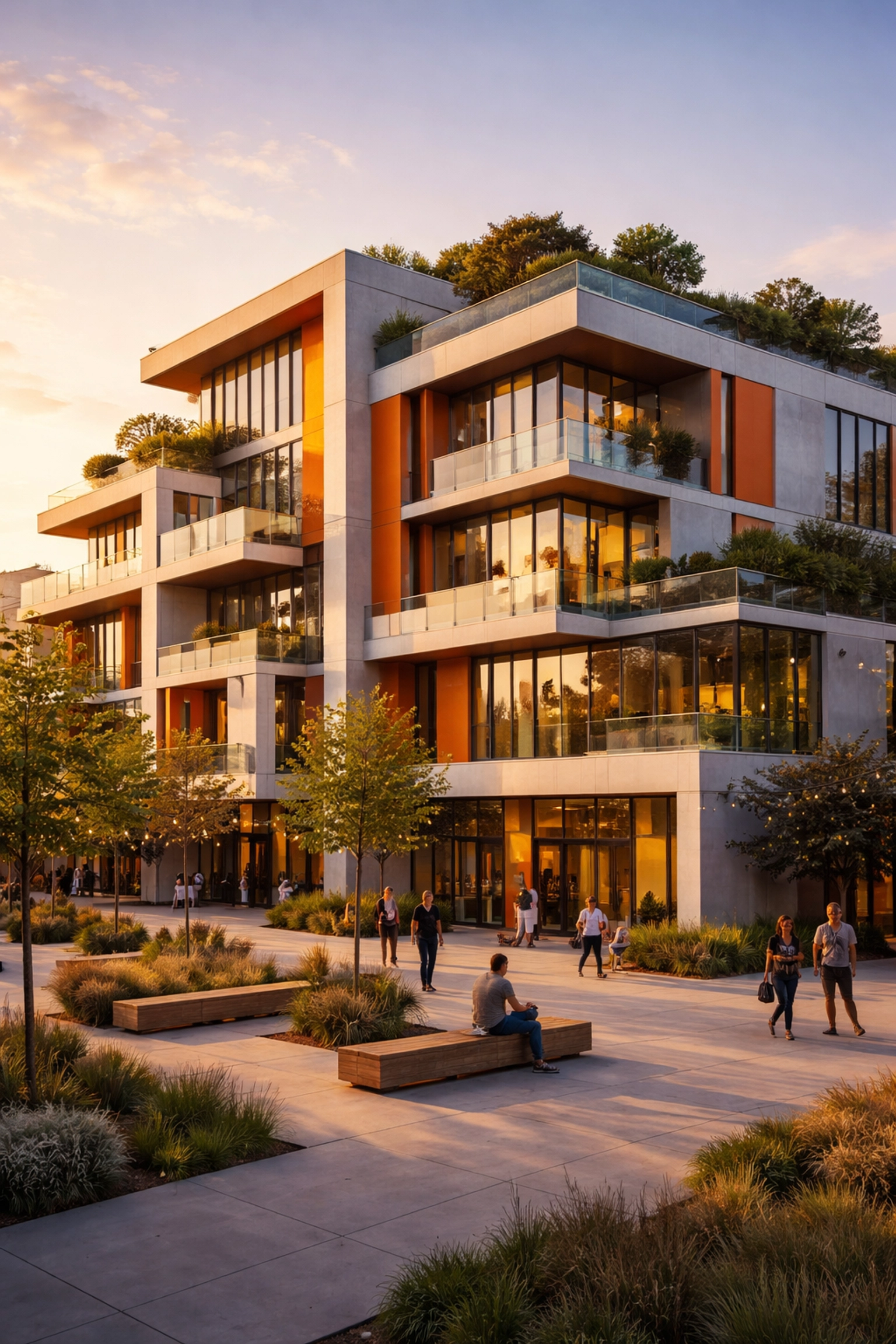
For real estate professionals seeking to maximize both ROI and community value, the formula involves treating every project as a long-term neighborhood partnership rather than a transaction.
The Intersection of Pet Welfare and Urban Wellness
At first glance, pet care might seem disconnected from broader community impact conversations. In reality, animal welfare serves as a powerful indicator of neighborhood health and a surprisingly effective vehicle for community connection.
The Mission Cats Foundation demonstrates this intersection beautifully. Their work: caring for community cats, supporting pet owners facing hardship, and advocating for humane policies: creates ripple effects throughout San Francisco neighborhoods:
- Reduced animal abandonment decreases strain on city services and improves public health
- Pet-friendly policies attract and retain residents, particularly young professionals and families
- Volunteer programs create meaningful civic engagement opportunities for residents of all ages
- Educational initiatives build empathy and responsibility in youth populations
Meanwhile, MissionCats In-Home Care extends this philosophy into professional pet care services, proving that purpose-driven businesses can compete effectively while maintaining mission alignment.
The lesson for businesses across sectors: look for unexpected connections between your operations and community wellness. The most innovative impact strategies often emerge from these creative intersections.
Investment with a Conscience: Scaling Businesses That Solve Problems
Impact investing has matured from a niche strategy to a mainstream expectation. In 2026, Bay Area investors increasingly evaluate opportunities through a dual lens: financial return potential and community benefit creation.
Nucleus Holdings represents this evolution, focusing on portfolio companies that address genuine market needs while generating sustainable returns. This approach recognizes a fundamental truth: businesses solving real problems for real communities tend to build more durable competitive advantages.
Key principles driving impact-conscious investment in 2026:
- Problem-first evaluation : Does this business address a genuine community need, or simply extract value?
- Stakeholder mapping : Who benefits beyond shareholders, and how substantially?
- Long-term orientation : Is the business model sustainable across economic cycles?
- Measurable outcomes : Can community impact be tracked and verified?
For entrepreneurs seeking investment, articulating your community value proposition is now as essential as demonstrating market size and unit economics.
How We Help: An Integrated Approach to Community Enrichment
McFadden Finch Holdings Company has designed its portfolio structure specifically to enable cross-sector community impact. Through the McFadden Finch Foundation, philanthropic initiatives receive coordination and strategic direction, ensuring that charitable efforts complement rather than duplicate each other.
This integrated approach means:
- Real estate developments incorporate feedback from foundation community assessments
- Restaurant operations support local food security initiatives
- Pet care services connect with foundation animal welfare programs
- Investment decisions consider foundation impact priorities
The result is a holding company structure where every portfolio company contributes to: and benefits from: community relationships built across the entire organization.

Explore our values and what we do to understand how this philosophy translates into daily operations.
Frequently Asked Questions
Why is community impact vital for Bay Area businesses in 2026?
Community impact builds brand trust, attracts purpose-driven talent, creates customer loyalty, and generates positive local media coverage. In competitive markets like San Francisco, authentic community engagement differentiates businesses in ways that marketing budgets cannot replicate. Additionally, local governments increasingly favor businesses demonstrating community benefit when making permitting and partnership decisions.
How can small businesses start making community impact with limited resources?
Start hyperlocal. Identify one specific need within walking distance of your operations: whether that's sponsoring a youth sports team, hosting neighborhood events, or partnering with a local nonprofit. Consistency matters more than scale. A small business that shows up reliably for its community builds more trust than a large corporation writing occasional checks. Consider time and expertise as resources, not just money.
Ready to Build Your Community Impact Strategy?
Whether you're a business owner seeking partnership opportunities, an investor exploring impact-aligned ventures, or a community organization looking for corporate allies, McFadden Finch Holdings Company welcomes the conversation.
Inquire About Community Partnership Opportunities →
McFadden Finch Holdings Company is a Bay Area-based holding company committed to sustainable business growth through authentic community partnership. Learn more about our portfolio companies and foundation initiatives at m-fhc.com.