
Here's a number that should keep every Bay Area developer up at night: construction costs in our region run 50-100% higher than national averages. That kitchen renovation you're budgeting at $50,000 based on national data? Expect to write a check closer to $100,000 when the dust settles.
Welcome to construction project management in 2026, where material costs are climbing 4-5% annually, tariff impacts threaten to push that to 8%, and one overlooked permit can derail your timeline by six months. The margin for error has never been thinner.
The good news? Most budget blowouts are entirely preventable. After years of watching Bay Area projects hemorrhage cash for the same avoidable reasons, the team at Atlas Premier Services & Consultants has identified seven mistakes that consistently separate profitable developments from financial disasters.
Let's break them down, and more importantly, fix them.
Mistake #1: Budgeting With National Numbers
This one's a classic, and it claims victims every single quarter.
Developers pull cost estimates from national databases, add a modest buffer, and assume they're covered. Then reality hits: Bay Area labor rates, San Francisco permitting fees, and local material delivery costs that make those national figures look like fantasy football projections.
The Fix: Get multiple quotes from local contractors before finalizing any budget. As a baseline, multiply national estimates by 1.5-2x for Bay Area projects. Factor in permit timelines of 3-6 months as standard, not exceptional, and budget accordingly.

Mistake #2: Treating Seismic Engineering as an Afterthought
Planning to knock out that load-bearing wall? Adding an ADU? Undertaking any structural modification in earthquake country?
Here's what too many developers discover too late: seismic engineering requirements aren't optional, and they're not cheap. Wall removals, additions, and ground-up construction all require earthquake-compliant design. Discovering this mid-project doesn't just blow your budget, it can halt construction entirely while engineers scramble to retrofit your plans.
The Fix: Consult a structural engineer during preconstruction, not after you've broken ground. Build seismic compliance costs into your initial budget as a line item, not an afterthought.
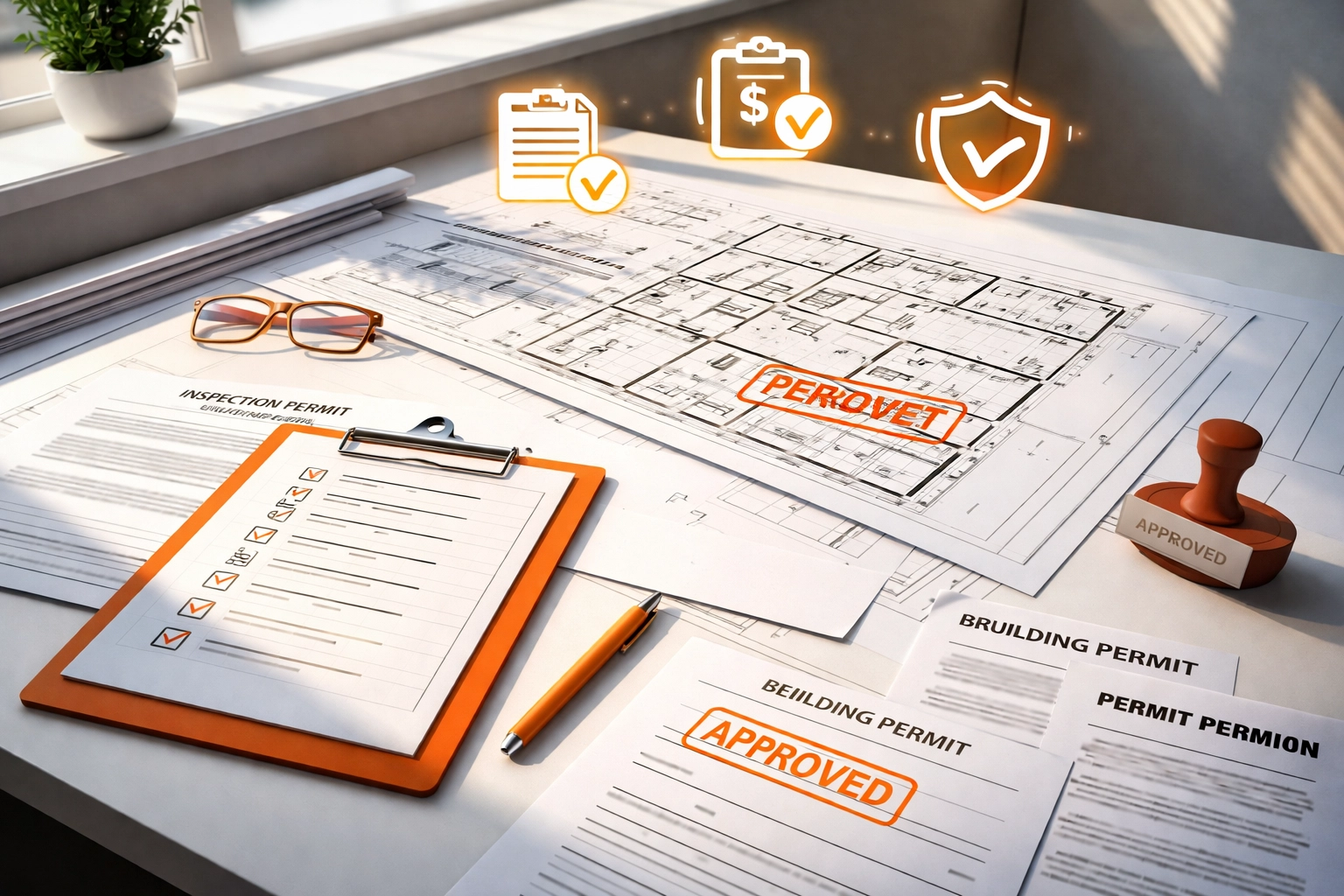
Mistake #3: Gambling on Unpermitted Work
We get it. Bay Area permitting is a marathon, not a sprint. The temptation to skip permits and save time is real.
It's also a catastrophic gamble.
The Bay Area has strict enforcement mechanisms, and unpermitted work doesn't just risk fines, it must be disclosed to buyers, can kill sales entirely, and may force you to tear out completed work at your own expense. That "shortcut" suddenly costs three times what proper permitting would have.
The Fix: Budget for permits from day one. Research requirements with your specific city early. Yes, it adds time. No, there's no legal alternative that doesn't expose you to massive liability.
Mistake #4: Skipping Value Engineering in Preconstruction
Too many developers rush through preconstruction to break ground faster. They see value engineering: the systematic analysis of design and material choices: as an optional luxury rather than a budget essential.
This is backwards thinking that costs real money.
Successful commercial project management dedicates 2-3 weeks minimum to reviewing structural systems, material specifications, and space layouts. One Bay Area commercial project saved $180,000 simply by optimizing HVAC systems and structural design before construction began.
The Fix: Treat preconstruction as the highest-ROI phase of your project. Every dollar spent on front-loaded value engineering typically saves $5-10 during construction. Learn more about AI-driven project management approaches that can accelerate this analysis.
Mistake #5: Failing to Lock in Material Prices Early
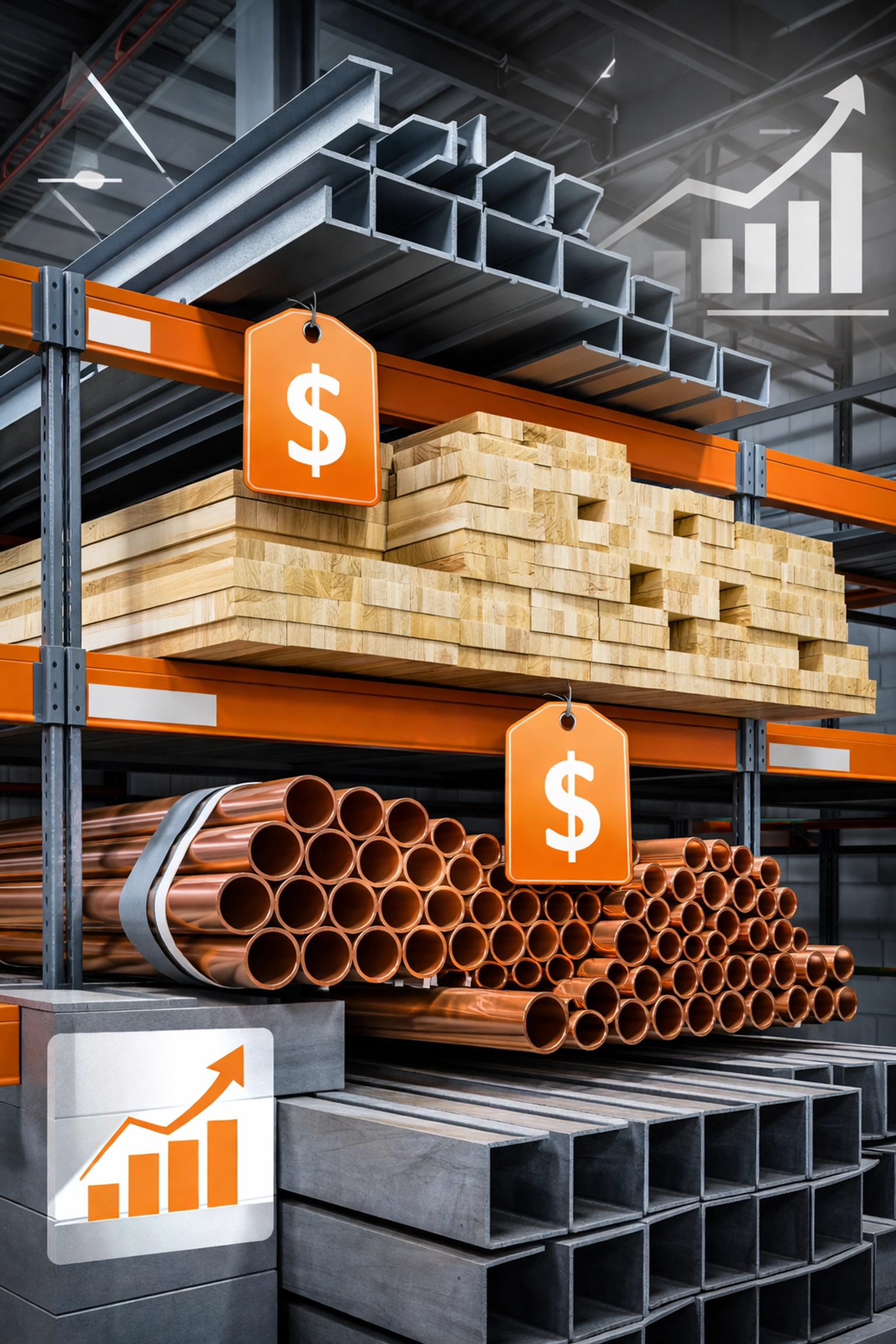
Material costs aren't just rising: they're volatile. Steel prices jumped 13% last year. General material inflation runs 2-4% annually, with specific categories spiking unpredictably based on supply chain disruptions and tariff changes.
Developers who don't secure materials early are essentially betting against the house: and the house always wins.
The Fix: Lock in material prices months before you need delivery through bulk purchasing agreements. Establish relationships with alternative suppliers as backup. Strategic procurement typically delivers 8-12% savings on material costs compared to market-rate purchasing during construction.
Mistake #6: Ignoring Technology That Catches Problems Before They Cost Money
Here's a scenario that plays out constantly: A design conflict between electrical and HVAC systems goes unnoticed until installation. Suddenly you're paying for demolition, redesign, and reinstallation: plus the schedule delays that cascade through every subsequent phase.
Building Information Modeling (BIM) and modern project management platforms catch these conflicts in the digital model, where fixes cost virtually nothing.
One Bay Area retail renovation avoided $65,000 in change orders by identifying conflicts during the modeling phase. That's not hypothetical savings: that's cash that stayed in the developer's pocket.
The Fix: Invest in BIM modeling, drone surveys for site analysis, and real-time project management software. The upfront technology cost pays for itself multiple times over in avoided surprises. Explore how digital twin technologies are transforming Bay Area construction.
Mistake #7: Inadequate Contingency Planning
"We'll handle unexpected costs as they come up" is not a financial strategy. It's wishful thinking with a spreadsheet.
Bay Area construction involves older structures with hidden conditions, complex regulatory environments, and supply chains that can shift overnight. Developers who don't build robust contingencies into their budgets aren't being optimistic: they're being unprepared.
The Fix: Budget a 10-15% contingency fund for Bay Area projects as standard practice. This isn't padding: it's realistic planning for the conditions every local developer eventually encounters.
The Atlas Premier Solution: Turning Budget Chaos Into Controlled Growth
Identifying these mistakes is one thing. Systematically preventing them across complex, multi-phase developments is another challenge entirely.
This is where Atlas Premier Services & Consultants delivers measurable value.
Atlas Premier's construction project management approach integrates every cost-control strategy outlined above into a cohesive system designed to save 15-20% on project overhead. From preconstruction value engineering to real-time budget monitoring and strategic material procurement, the methodology transforms budget management from reactive firefighting into proactive control.
Combined implementation of these strategies typically yields 10-15% total project savings: and for developments in the Bay Area's challenging regulatory and cost environment, that margin often determines whether a project succeeds or struggles.
Practical Tips for Lean Construction in 2026
Beyond avoiding the major mistakes, successful Bay Area developers are implementing these sustainable building practices to maximize every dollar:
- Consider modular and prefabricated solutions where appropriate: these can deliver 15-20% cost reductions for suitable project types
- Implement phased construction strategies to manage cash flow and capitalize on favorable market conditions
- Establish clear communication protocols between all stakeholders to minimize costly miscommunications
- Document everything obsessively: the paper trail that seems tedious today prevents disputes that cost thousands tomorrow
- Review budgets weekly during active construction, not monthly
Ready to Build Smarter?
Every project over budget started with a preventable mistake. Every delayed timeline traces back to something that could have been caught earlier.
Atlas Premier Services & Consultants exists to help Bay Area developers build profitably in one of the nation's most challenging construction environments. The expertise in budget management, the technology infrastructure for real-time monitoring, and the local knowledge that separates successful projects from cautionary tales: it's all designed to empower developers to turn construction challenges into competitive advantages.
Schedule a consultation with Atlas Premier to discuss your next Bay Area project and discover how strategic construction project management can protect your margins from day one.
Share This Post
LinkedIn: Bay Area construction costs run 50-100% higher than national averages: and most budget blowouts are completely preventable. Here are 7 mistakes costing developers serious money in 2026 (and how to fix them). #BayAreaConstruction #ConstructionManagement #RealEstateDevelopment #ProjectManagement #AtlasPremier
Twitter/X: 7 budget mistakes killing Bay Area construction projects in 2026: and the fixes that save 15-20% on overhead. Essential reading for developers building in SF, Oakland, and beyond. #ConstructionProjectManagement #BayAreaDevelopment #BuildSmart