The Bay Area's real estate landscape is experiencing an unprecedented transformation. Data centers and community housing developments are no longer operating in separate spheres: they're colliding in ways that create both challenges and extraordinary investment opportunities for 2026.
As AI infrastructure spending barrels toward $490 billion by 2026, savvy investors are discovering that the most profitable plays aren't just about picking tech or traditional real estate. They're about understanding where these sectors intersect, compete, and surprisingly complement each other.
The New Investment Reality: When Silicon Meets Concrete
Traditional investment wisdom suggested keeping tech infrastructure and community real estate in separate buckets. That playbook is officially outdated. Here's why:
The global data center infrastructure market is projected to hit $7 trillion over the next five years, while 80% of enterprises are shutting down traditional on-site data centers in favor of colocation models. This massive shift is creating a ripple effect that touches everything from Bay Area housing markets to community development strategies.
Smart investors are recognizing that data center expansion and community housing needs aren't competing forces: they're interconnected opportunities that require integrated thinking.
Bay Area Market Dynamics: The Perfect Storm
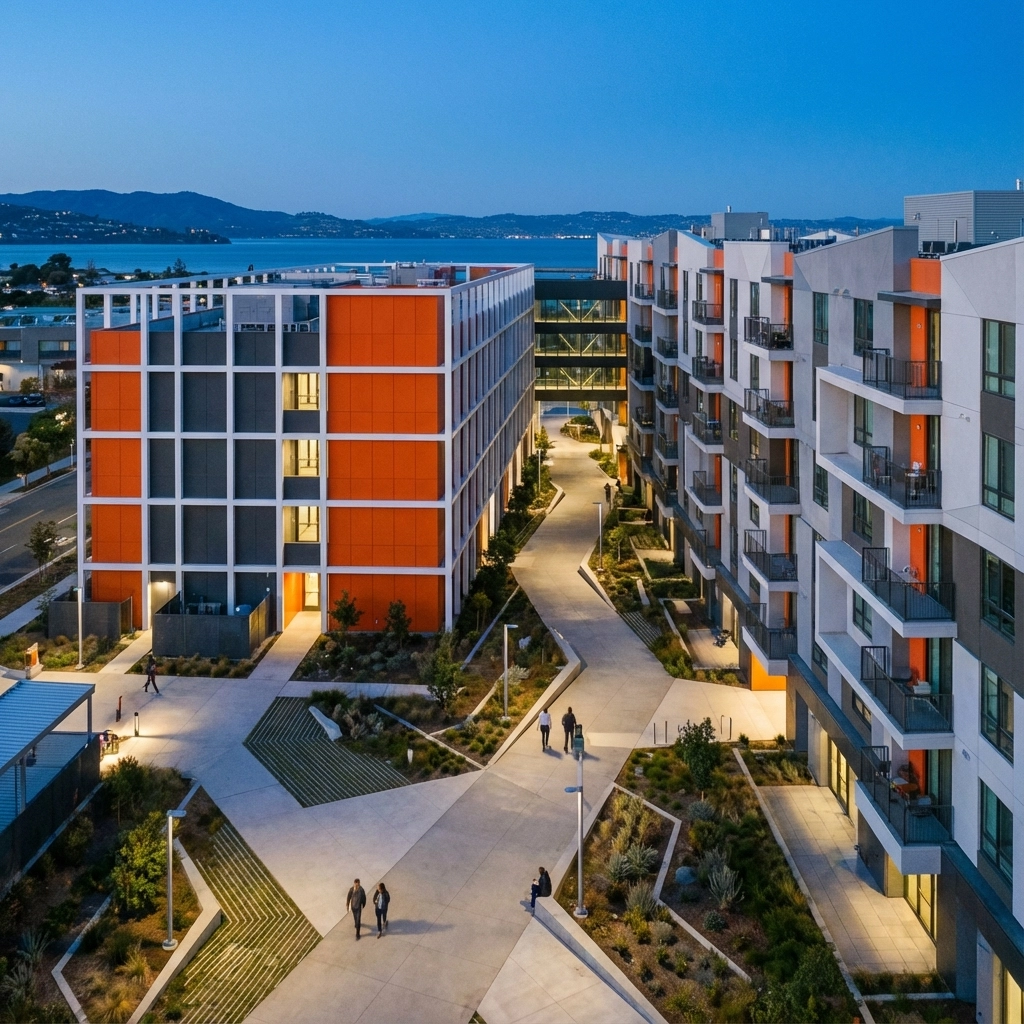
The San Francisco Bay Area represents the epicenter of this collision. Here's what's driving the convergence:
Power Grid Constraints: Energy limitations are pushing data center developers away from traditional Tier 1 hubs toward Tier 2 markets within the Bay Area. This shift is opening up new geographic pockets for dual-purpose development strategies.
Land Use Competition: Prime development sites are increasingly being evaluated for both data center potential and community housing viability. The highest returns often come from understanding both use cases.
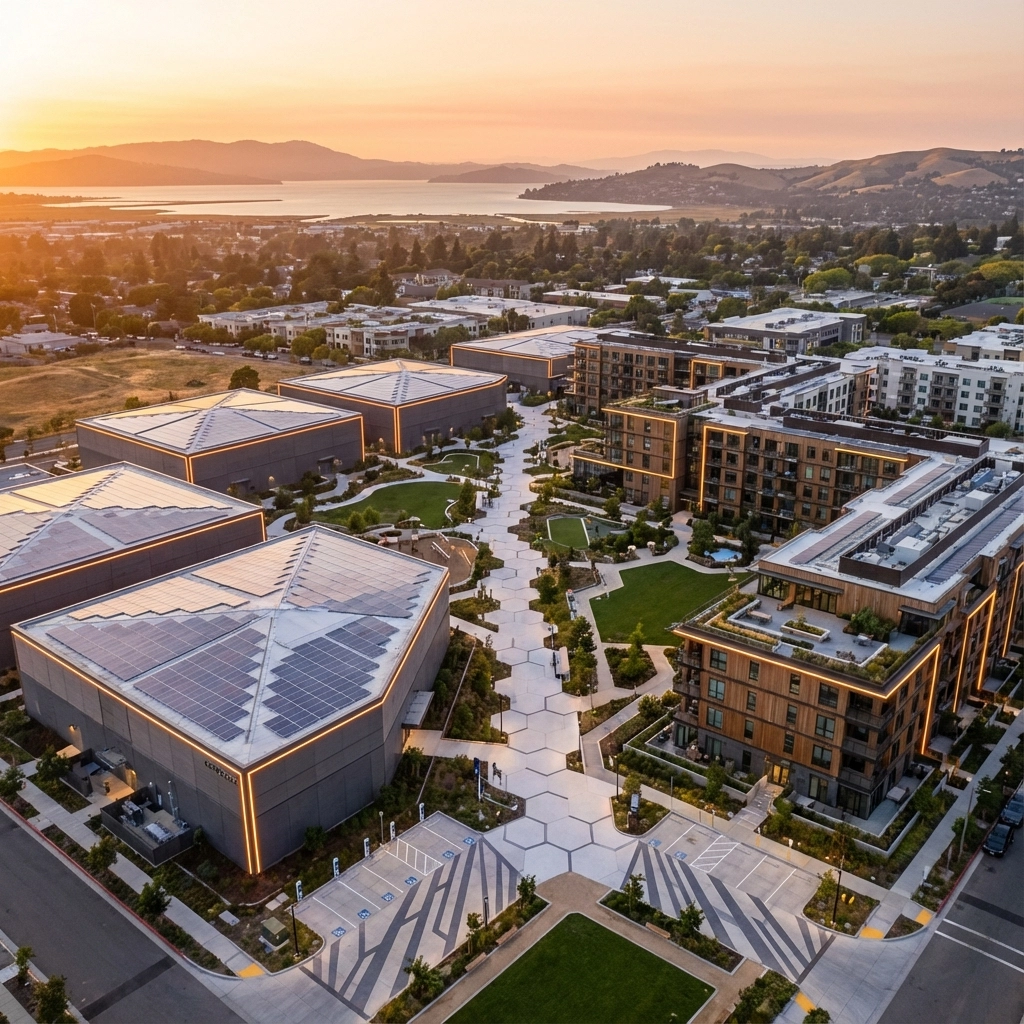
Infrastructure Synergies: Modern data centers require massive infrastructure investments: fiber networks, electrical upgrades, transportation access: that also benefit adjacent residential and commercial developments.
Workforce Housing Demand: The data center boom is creating thousands of new jobs, from construction to ongoing operations, driving demand for workforce housing in previously overlooked locations.
Investment Strategies That Actually Work
The Colocation-Community Model
Global colocation markets are projected to exceed $330 billion by 2035, but the most interesting opportunities lie in hybrid approaches. Forward-thinking investors are developing mixed-use projects that incorporate:
- Edge data centers serving local businesses
- Workforce housing for tech and data center employees
- Community retail spaces that benefit from enhanced connectivity infrastructure
- Shared utility systems that reduce costs across all components
Real Estate-First Approaches
Sale-leaseback transactions and long-term lease arrangements are becoming the preferred structure for data center real estate. Smart community developers are positioning themselves as the real estate providers in these deals, capturing stable cash flows while retaining ownership.
The key insight: data center operators want to focus on technology, not real estate ownership. Community-focused investors can fill this gap while building complementary residential and commercial spaces.

Behind-the-Meter Energy Plays
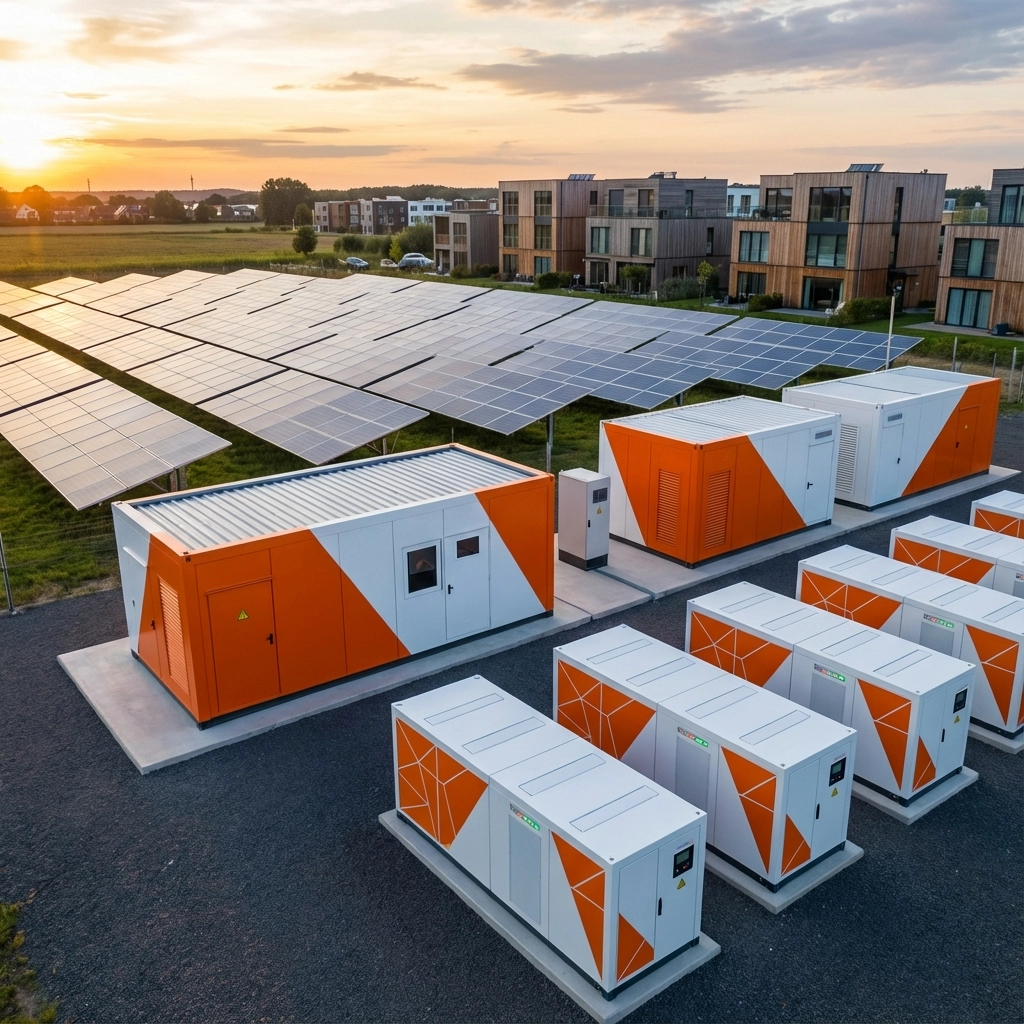
Energy independence is becoming the defining constraint for large data centers. Investors who can package renewable energy solutions with community development are finding themselves in high demand.
This creates opportunities for integrated developments featuring:
- Solar and battery storage systems serving both data centers and residential units
- Microgrids that increase resilience for entire communities
- Energy trading platforms that allow communities to benefit from excess capacity
Community Impact: The Unexpected Advantage
Here's where conventional wisdom gets turned upside down: community-focused development often creates better data center investments than purely tech-focused approaches.
Local community support dramatically reduces development timelines and regulatory hurdles. Data centers that are positioned as community assets: bringing jobs, infrastructure improvements, and economic development: face far less opposition than those viewed as industrial intrusions.
McFadden Finch Holdings has observed this dynamic across multiple Bay Area projects. Developers who invest in meaningful community engagement and shared infrastructure benefits consistently achieve faster approvals and better long-term returns.
The Workforce Housing Connection
Data center operations require significant local workforces, from security personnel to maintenance technicians to administrative staff. Developments that can provide quality workforce housing within reasonable commuting distance create competitive advantages for data center tenants while generating additional revenue streams for investors.
Market Timing and Entry Points
2026 represents a critical inflection point for several reasons:
M&A Activity: 70% of industry respondents expect merger and acquisition activity to become more attractive within the next year. This creates opportunities for community-focused developers to partner with or acquire data center operators.
Asset Valuations: Data center asset valuations are expected to remain high over the next two years, but integrated community developments often trade at different multiples, creating arbitrage opportunities.
Regulatory Environment: California's housing mandates and data center regulations are creating new frameworks that favor mixed-use approaches over single-purpose developments.
Risk Management in Hybrid Investments
Diversification benefits are substantial when done correctly. Community real estate provides stable cash flows and appreciation, while data center components offer higher returns with different risk profiles.
Key risk mitigation strategies include:
- Phased development approaches that allow market testing at each stage
- Multiple tenant types to reduce dependence on single revenue sources
- Infrastructure sharing agreements that spread capital costs
- Flexible zoning strategies that allow pivoting between uses as markets evolve
Technology Integration Opportunities
The convergence creates unique technology integration possibilities:
Smart Building Systems: Data center cooling and power management technologies can be adapted for energy-efficient residential and commercial spaces.
Connectivity Infrastructure: Fiber networks installed for data centers provide community-wide broadband access, increasing property values and tenant satisfaction.
Security Systems: Advanced security infrastructure required for data centers can extend to community-wide safety systems.
Looking Ahead: The 2026 Landscape
Successful investors in 2026 will be those who understand that the data center boom and community housing crisis aren't separate challenges: they're interconnected opportunities requiring integrated solutions.
The most profitable investments will combine:
- Strategic land acquisition in Tier 2 markets with both data center and housing potential
- Energy infrastructure development that serves multiple use cases
- Community partnership strategies that accelerate development timelines
- Flexible development platforms that can adapt to changing market conditions
Portfolio diversification through data center-community hybrid investments offers both higher returns and better risk management than traditional single-sector approaches.
The intersection of data centers and community real estate represents more than just a market opportunity: it's a fundamental shift in how we think about technology infrastructure and community development. Investors who recognize this convergence early will be positioned to capture the most significant returns as these markets continue to evolve.
For those ready to explore these integrated investment opportunities, the convergence of data centers and community real estate offers a pathway to both strong returns and meaningful community impact. The question isn't whether to invest in this intersection: it's how quickly you can position yourself to take advantage of it.