In the world of San Francisco real estate, "pivot" has become more than just a buzzword, it’s a survival strategy. For years, the narrative surrounding downtown San Francisco swung between "doom loop" hyperbole and cautious optimism. But as we cross into the spring of 2026, the skyline is telling a different story. It’s a story of density, resilience, and the sheer economic gravity of the AI boom.
Based on a recent report by Douglas Sams in the San Francisco Business Times, the spotlight is currently fixed on the intersection of Market and Van Ness. Here, a 400-foot high-rise known as One Oak has just cleared a major hurdle, proving that even in a shifting economy, the right real estate development firm can find a way to make the numbers work.
But the path to approval wasn't a straight line. It was a 41-story pivot that transformed a boutique condo dream into a massive rental reality.
The Feasibility Flip: From Condos to Community Scale
If you’ve been following San Francisco development since 2017, the One Oak site might sound familiar. It was originally envisioned as a sleek, 304-unit luxury condo building. At the time, the "for-sale" market was king. Fast forward through a global pandemic, a remote-work revolution, and a total recalibration of interest rates, and that original plan no longer held water.
Emerald Fund, led by industry veteran Oz Erickson, realized that to achieve true urban neighborhood revitalization, they had to go bigger. The new plan? A 41-story tower boasting 541 rental units. That’s an addition of 81 units from previous revisions and nearly double the original 2017 density.
As Brynn McKiernan, vice president of development at Emerald Fund, put it, this shift is fundamentally about "feasibility." In the current market, spreading construction costs across a larger number of units is the only way to make high-rise projects pencil out. For investors, this represents a sophisticated approach to real estate investment, prioritizing long-term rental yields and density over the quick exit of a condo sell-out.
The AI Tailwinds: Fueling a New Class of Renter
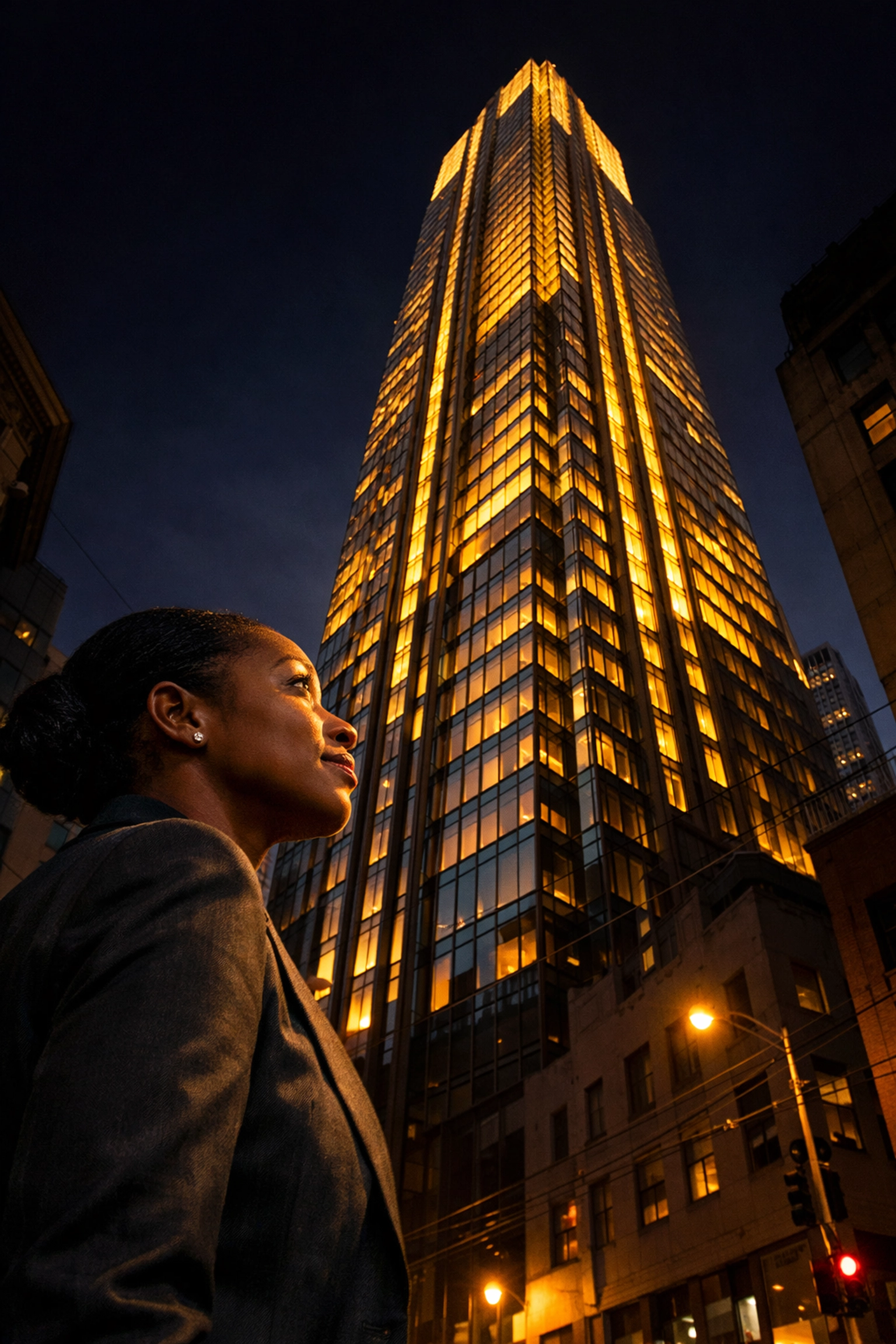
You can’t talk about San Francisco in 2026 without talking about the AI boom. While the city’s population saw a dip in the early 2020s, the financial profile of the remaining residents has skyrocketed. Per capita income in the city has jumped from $110,000 in 2016 to a staggering $176,000 in 2025.
This isn't just a statistic; it's a demographic shift that is dictating the future of the skyline. We are seeing a concentration of high-income renters who want to live exactly where One Oak is situated, on the pulse of the city, near transit, and within walking distance of the burgeoning tech hubs.
This influx of capital is acting as the "white knight" for stalled projects. Planning Commission President Amy Campbell noted that city policies are finally aligning with market realities, reducing fees and streamlining approvals to ensure that housing proposals actually get built. At McFadden Finch Holdings Company, we view this as a vital component of sustainable growth. When the city works with developers to lower the barriers to entry, the entire community benefits from increased housing supply and a more vibrant downtown ecosystem.
Hayes Valley: A Neighborhood in Support
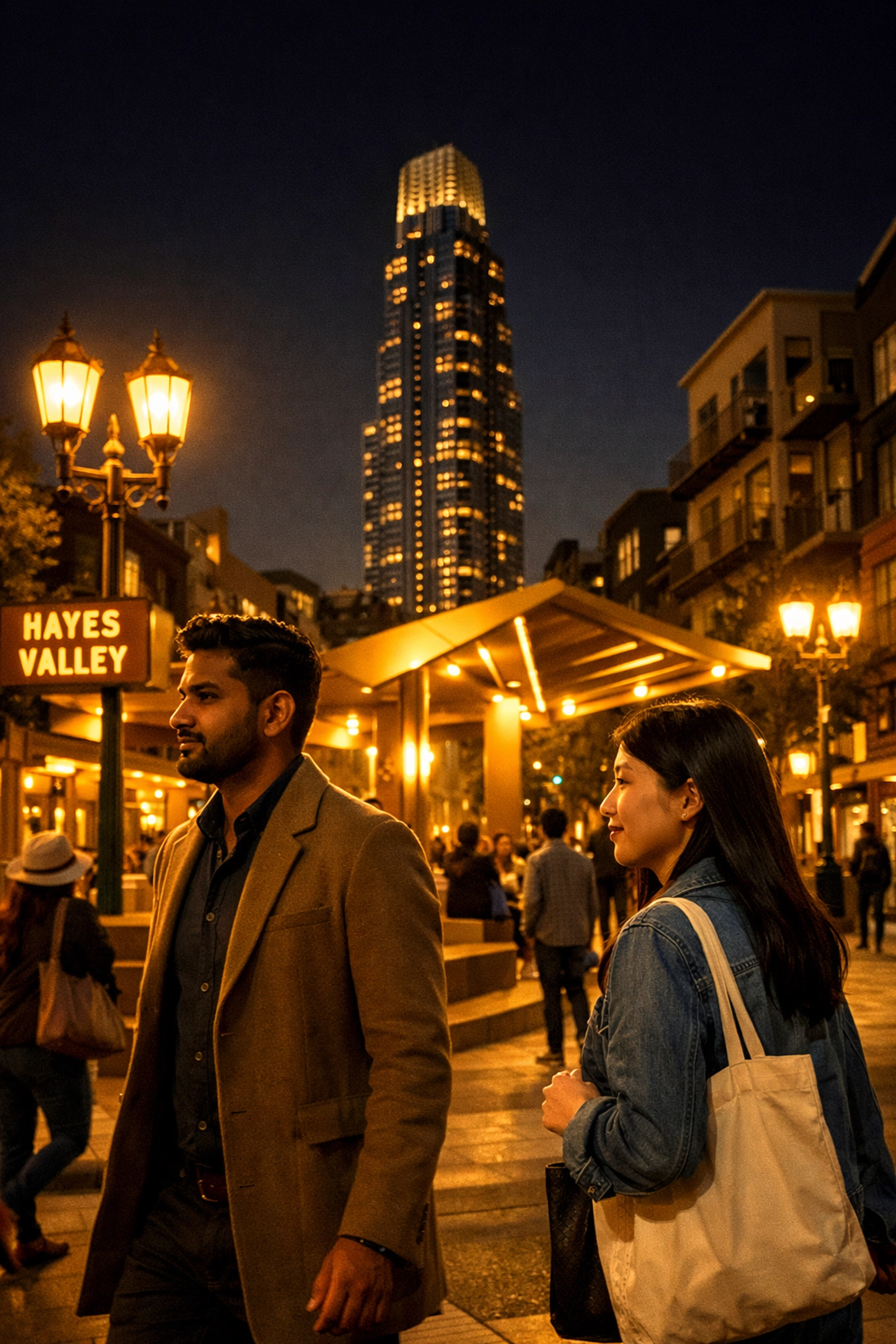
One of the most surprising elements of the One Oak saga is the level of community support. Usually, a 400-foot tower is a lightning rod for "Not In My Backyard" (NIMBY) sentiment. However, the Hayes Valley Neighborhood Association has largely signaled its approval.
Why? Because Hayes Valley is a neighborhood that understands the value of foot traffic. Known for its eclectic retail, Patricia’s Green, and high-end dining, the area thrives when people are on the street. Adding 541 households to the edge of the neighborhood is a massive win for local businesses. It’s a textbook example of how community impact and high-density development can coexist when the project is transit-oriented and thoughtfully integrated.

The Bittersweet Trade-off: Farewell to the All Star Cafe
Of course, progress always comes with a price. To make room for the future, a piece of the past must often step aside. For One Oak to rise, the popular, 24-hour All Star Cafe will have to be demolished.
For many locals, the cafe is a staple, a neon-lit sanctuary for late-night donuts and coffee. Planning Commissioner Theresa Imperial, the lone "no" vote on the project, highlighted the loss of this local business, urging for a relocation plan. It’s a bittersweet moment for the neighborhood. While 541 new homes represent a significant step toward solving the housing crisis, the loss of a "legacy" vibe is felt deeply by those who remember the city before the high-rises took over.
This tension is the heart of the "High-Rise Hustle." How do we build a modern, dense, sustainable city without losing the quirky, local character that made us want to live here in the first place? It’s a question we grapple with in every project management strategy we undertake.
A Skyline Reaching Higher
One Oak isn't an isolated incident. It’s part of a broader "vertical expansion" taking place across the city. From the 61-story mixed-use tower near Salesforce Park to the ambitious 76-story proposal at 77 Beale Street, San Francisco is betting big on height.
These projects reflect a fundamental shift in urban planning. We are moving away from single-use office monoliths and toward mixed-use environments where people live, work, and play in the same vertical footprint. This is the essence of modern urban neighborhood revitalization. By integrating residential units with retail and public green spaces, developers are creating "vertical neighborhoods" that are resilient to the fluctuations of the commercial office market.
The MFHC Perspective: Visionary Capital for a New Era
At McFadden Finch Holdings Company, we see the One Oak pivot as a blueprint for the future of California real estate. Success in 2026 requires the ability to navigate complex zoning changes, rising construction costs, and shifting consumer demands with agility.
The "hustle" isn't just about moving fast; it’s about moving smart. It’s about recognizing that a project approved in 2017 needs to look very different to be successful in 2026. It’s about bridging the gap between visionary capital and the actual needs of the community.
As Oz Erickson noted, "San Francisco is experiencing a major recovery: and everyone can see that." The cranes over Market and Van Ness are a signal to the world that the city isn't just back; it’s building for a future that is denser, taller, and more economically diverse than ever before.
The High-Rise Hustle is far from over. As more developers look to replicate the One Oak model, we expect to see a wave of "feasibility pivots" that will continue to reshape our skyline. And while we might miss the 2 a.m. donuts at the All Star Cafe, the promise of thousands of new neighbors and a revitalized downtown is a trade-off that San Francisco seems ready to make.
Built to grow strong businesses, meaningful partnerships, and lasting community impact.
Connect with McFadden Finch Holdings Company today.
McFadden Finch Holdings Company
Vision. Leadership. Lasting Impact.
Lake Merritt Plaza
1999 Harrison Street, Suite 1872-73
Oakland, CA 94612
(510) 973-2677
www.m-fhc.com
info@m-fhc.com
McFadden Finch Holdings Company (MFHC) is a premier holdings and investment management firm dedicated to driving sustainable growth and long-term value. Our mission is to bridge the gap between visionary capital and community-centric development, ensuring tomorrow's infrastructure meets today's needs. Through strategic project management and rigorous market analysis, we empower our partners to navigate the complexities of the California economic landscape with confidence and clarity.
For more information on how MFHC can support your industrial or real estate investment strategy, contact us at (510) 973-2677 or visit www.m-fhc.com
Sources:
- Sams, D. (2026). "400-foot high-rise shows San Francisco’s big downtown housing push." San Francisco Business Times.
- Research data on San Francisco vertical expansion and AI-driven economic shifts (2025-2026).