
California just threw open the doors to the biggest affordable housing opportunity in years. On January 22, 2026, the state Senate passed SB 417: the $10 billion Affordable Housing Bond Act: and Bay Area developers are scrambling to position their projects before this capital hits the street. If you've been sitting on shovel-ready plans waiting for the funding environment to shift, this is your moment.
The numbers tell the story: 45,000 affordable housing units are currently stalled in California, cleared for construction but lacking the capital to break ground. This bond was designed specifically to unlock those projects, with the potential to deliver over 135,000 affordable homes statewide and help 13,000+ families become first-time homeowners. For Bay Area developers navigating one of the nation's most expensive housing markets, this represents a fundamental reset of the financing landscape.
Breaking Down the $10 Billion: Where the Money Actually Goes
Unlike previous housing initiatives that spread resources thin, SB 417 concentrates capital where it creates the most immediate impact. Here's the allocation structure:
$7 billion flows directly to the Multifamily Housing Program, providing low-interest loans specifically for permanent and transitional rental housing construction and maintenance. This is the largest single commitment and directly addresses the Bay Area's acute rental shortage.
$1 billion supports down payment assistance programs targeting low-income, first-time homebuyers. In markets where median home prices exceed $1 million, this homeownership bridge is critical for workforce retention.
$2 billion addresses interconnected housing challenges: wildfire prevention measures, emergency rental assistance, and dedicated housing for farmworkers and low-income tenants: populations often overlooked in traditional affordable housing conversations.
The bond moves to the Assembly next, with voter approval expected on the November 2026 ballot. Assuming passage, capital deployment could begin in early 2027, creating an 8-12 month window for developers to position projects for maximum advantage.
SB 423 Fast-Tracking: The Permitting Accelerator You're Not Using
While the housing bond provides capital, SB 423 removes the bureaucratic friction that historically delayed even well-funded projects. This streamlined approval process applies specifically to affordable housing developments, cutting typical permitting timelines by 30-50% in many Bay Area jurisdictions.
The fast-track provisions include:
- Ministerial approval pathways that bypass discretionary review for qualifying projects
- Parking requirement reductions near transit corridors, lowering construction costs by 15-20%
- Density bonus expansions allowing additional units beyond base zoning limits
- Concurrent permit processing across multiple agencies, eliminating sequential delays
Combined with the bond capital, SB 423 creates a rare alignment: available funding meeting expedited approval processes. Developers who understand how to navigate both simultaneously gain 6-12 months on competitors working through traditional channels.
Bay Area Real Estate Trends 2026: What the Data Shows
The Bay Area housing market in 2026 reflects fundamentally different dynamics than the speculation-driven cycles of the past decade. Current trends favor affordable housing development support models that combine public capital, expedited permitting, and community-centered design.
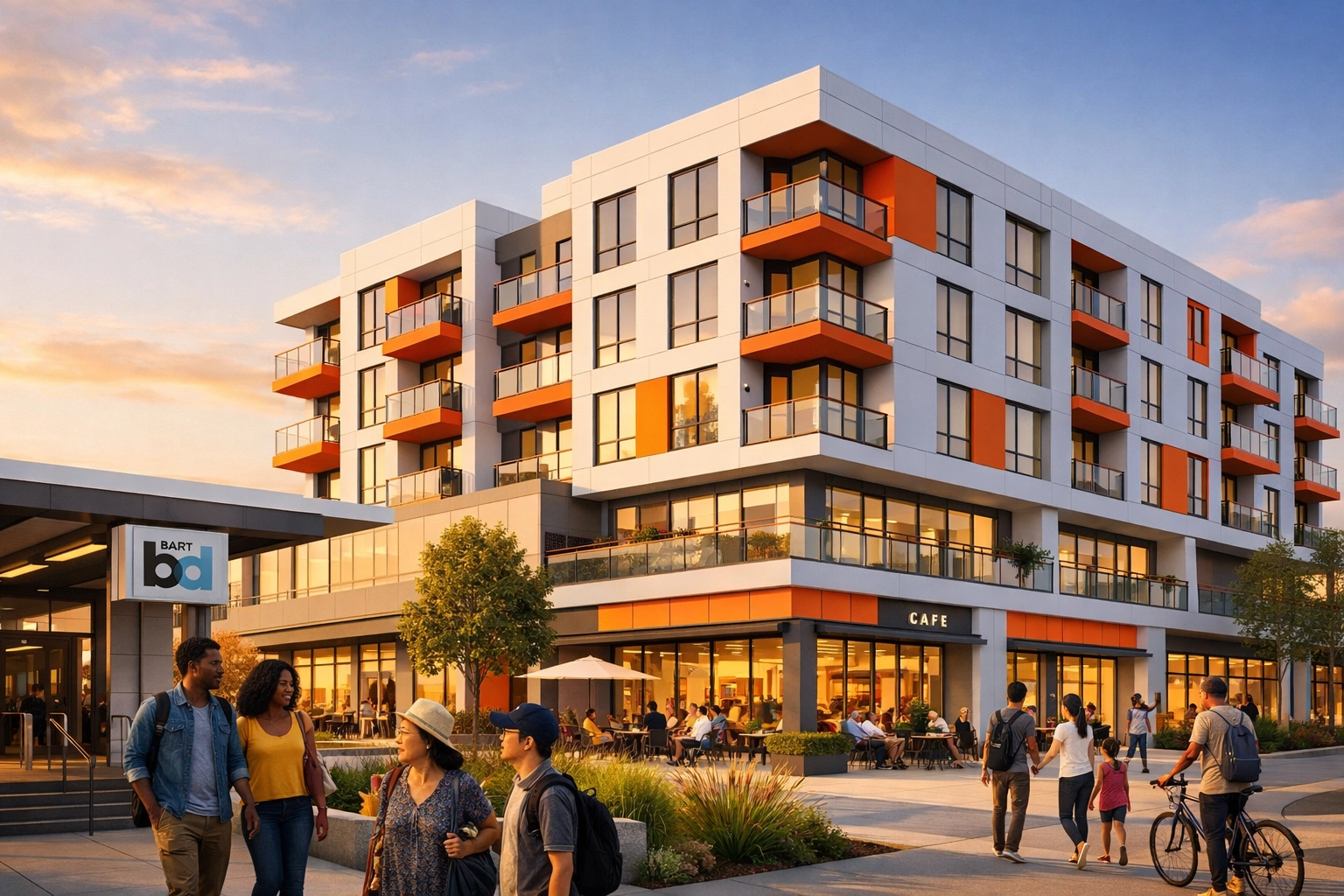
Mixed-use development is leading returns, particularly projects that integrate affordable residential units with ground-floor commercial space in transit-adjacent locations. These developments benefit from:
- Multiple revenue streams reducing vacancy risk
- Faster lease-up rates due to location desirability
- Higher community support during approval processes
- Enhanced eligibility for both state and local incentive programs
Recent data shows mixed-use projects near BART stations achieving 92% occupancy within 6 months of completion, compared to 14-18 months for single-use residential developments in comparable locations.

The bond specifically prioritizes projects demonstrating community impact: measurable contributions to neighborhood revitalization, job creation, and services access. Developers who build these metrics into project design from inception score higher in competitive funding rounds.
How Atlas Premier Positions Projects for Bond Capital
Securing a share of the $10 billion requires more than submitting an application. The state evaluates projects across multiple dimensions: financial viability, community benefit, timeline certainty, and operational sustainability. This is where McFadden Finch Holdings Company's Atlas Premier service provides strategic advantage.
Atlas Premier specializes in translating complex projects into competitive funding applications. The service focuses on three critical areas:
Financial structuring that maximizes bond eligibility while minimizing developer equity requirements. This includes layering state bond proceeds with local housing trust funds, tax credit programs, and impact investment capital to create optimal capital stacks.
Community impact documentation that quantifies social return alongside financial metrics. Atlas Premier helps developers demonstrate how projects advance state housing priorities: workforce housing near employment centers, supportive housing with wraparound services, and family-sized units in high-opportunity neighborhoods.
Timeline optimization using SB 423 fast-track provisions to compress project schedules. Faster delivery improves ROI and positions developers for additional funding rounds as the bond program scales over multiple years.
Drea Finch Services: Navigating the New Legislative Environment
The confluence of SB 417, SB 423, and local incentive programs creates unprecedented opportunity: and navigational complexity. Drea Finch services provide the regulatory intelligence developers need to move quickly and compliantly through this new landscape.
Key service components include:
Regulatory mapping that identifies all applicable incentive programs for specific project sites. This includes state-level programs like the bond, regional initiatives from the Association of Bay Area Governments (ABAG), and city-specific affordable housing requirements that can be leveraged into benefits.
Approval strategy development that sequences permitting applications to maximize SB 423 advantages while building community support. This approach reduces opposition during public comment periods and accelerates discretionary approvals where ministerial pathways don't apply.
Compliance monitoring throughout the development lifecycle, ensuring projects maintain eligibility for bond capital and avoid costly mid-construction corrections.
For developers new to affordable housing, Drea Finch services reduce the learning curve from 18+ months to 4-6 months, allowing faster market entry when capital is most available.

Community Impact: Building Support That Accelerates Approval
The most successful bond-funded projects don't just meet community needs: they're designed with community input from the beginning. This collaborative approach delivers three strategic advantages:
Faster approvals because neighbors and advocacy groups support rather than oppose projects during public hearings. A single organized opposition group can delay projects 12-24 months; proactive community engagement prevents this.
Enhanced funding competitiveness as state evaluators increasingly weight community support in scoring applications. Projects with documented neighborhood backing score 15-20% higher on average.
Long-term operational success because developments aligned with community priorities achieve faster lease-up, lower turnover, and better resident outcomes: metrics that improve refinancing prospects and enable portfolio expansion.
Effective community impact strategies include:
- Hiring locally during construction (creating 40-60 jobs per $10 million invested)
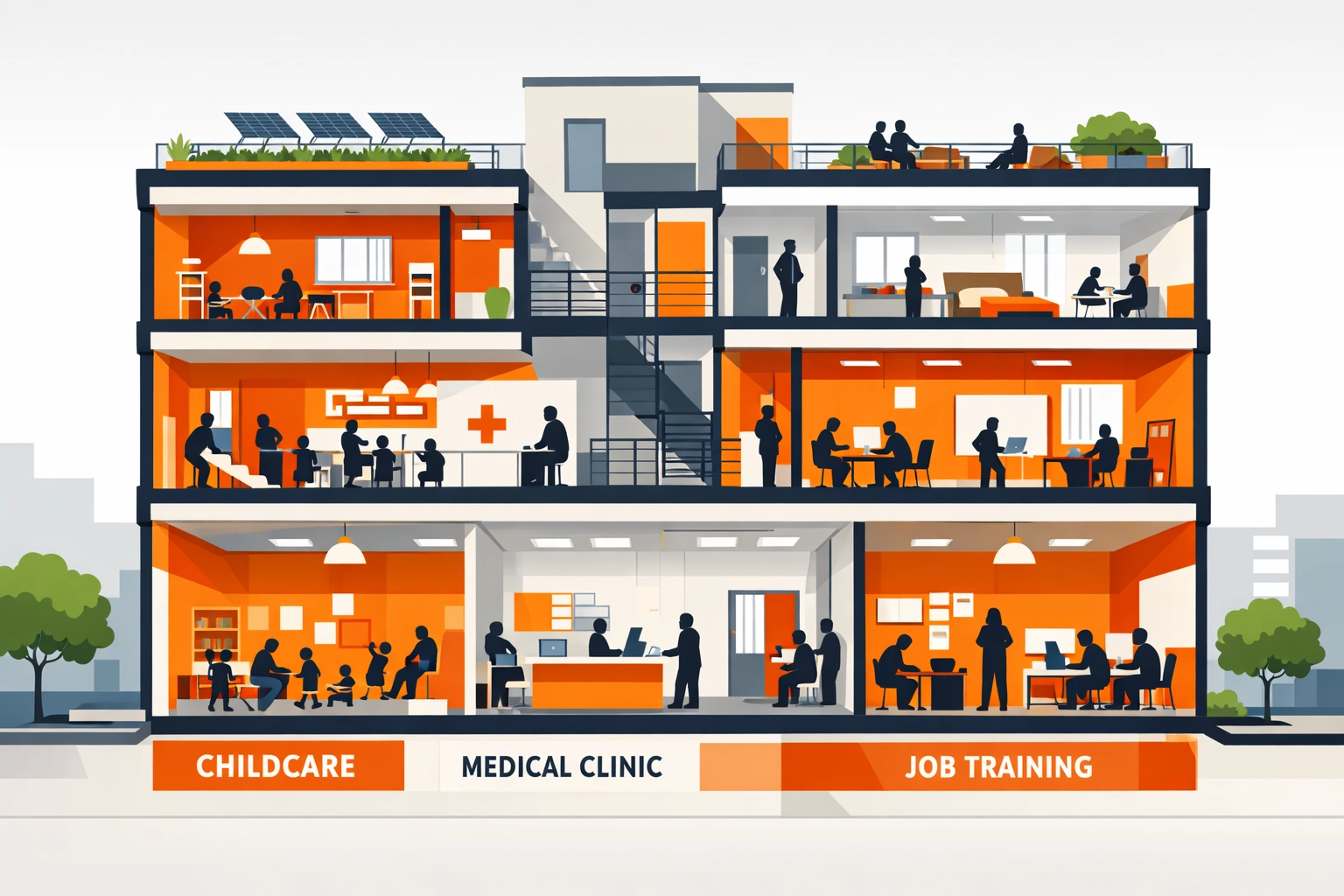
- Incorporating community-requested amenities like childcare facilities or medical clinics
- Designing ground-floor commercial space for local entrepreneurs at below-market rates
- Providing resident services that address neighborhood challenges (job training, legal aid, financial counseling)
ROI Considerations in the New Affordable Housing Environment
Affordable housing development historically delivered lower returns than market-rate projects, creating limited investor interest. The 2026 legislative environment fundamentally changes this calculation.
Capital cost reductions from low-interest bond financing lower project costs by 20-30% compared to conventional construction loans. This margin improvement alone makes previously marginal projects financially viable.
Accelerated timelines from SB 423 fast-tracking reduce carrying costs and enable faster lease-up, improving cash-on-cash returns. Every month saved on development timeline adds 0.5-1.0% to overall project returns.
Revenue certainty from long-term affordability covenants creates predictable cash flows attractive to institutional investors. While rents are capped, vacancy risk is minimal and operating costs are lower due to resident stability.
Tax benefits from federal Low-Income Housing Tax Credits (LIHTC) and state credits provide additional return enhancement. Combined with bond financing, these credits can reduce developer equity requirements to 10-15% of total project cost.
Smart developers are targeting internal rates of return (IRR) of 12-15% on affordable projects: competitive with market-rate development while carrying significantly lower approval and market risk.
What Developers Should Do Right Now
The window between bond passage and capital deployment is closing faster than most developers realize. Taking action now positions projects for first-round funding when competition is lowest.
Immediate priorities include:
- Conduct site eligibility analysis to determine which properties qualify for SB 423 fast-tracking and bond financing
- Engage community stakeholders to build support before formal approval processes begin
- Structure preliminary financial models showing how bond capital integrates with other funding sources
- Assess project readiness to ensure shovel-ready status when capital becomes available
For developers without in-house expertise navigating affordable housing incentives, partnering with specialists like those at McFadden Finch Holdings Company reduces risk and accelerates timeline to funding.
The $10 billion bond represents more than just available capital: it's a signal that California is serious about solving its housing crisis through substantial, sustained investment. Bay Area developers who position now will capture disproportionate share of this opportunity while competitors are still figuring out the application process.
Moving Forward: The Opportunity Cost of Waiting
Every week of delay means more competition for limited bond resources. The state's 45,000 shovel-ready units far exceed initial bond capacity, meaning projects will be funded on a competitive scoring basis. Early movers who demonstrate financial readiness, community support, and timeline certainty will secure capital while late entrants face multi-year waitlists.
The intersection of available capital, expedited permitting, and urgent housing need creates a generational opportunity for developers willing to engage the affordable housing sector. Whether you're repositioning stalled projects or entering the market fresh, the tools to succeed: bond financing, SB 423 fast-tracking, and professional development support: are available now.
The question isn't whether California's housing crisis will be addressed. The question is which developers will lead the solution: and capture the returns that leadership generates.
#AffordableHousing #BayAreaRealEstate #CaliforniaHousing #RealEstateDevelopment #HousingBond2026