
By Maury McFadden | January 31, 2026
A broken walk-in freezer at 6 PM on a Saturday night used to be every restaurant owner's worst nightmare. Hundreds of dollars in spoiled protein. A scrambling kitchen crew. Disappointed guests. Lost revenue that can never be recovered.
With restaurant IoT trends 2026, that nightmare is becoming a ghost story: something we talk about but rarely experience anymore.
The Internet of Things (IoT) is transforming back-of-house operations from reactive firefighting into proactive, data-driven management. Smart sensors, connected equipment, and predictive analytics are giving restaurant operators superpowers they never had before: the ability to see problems before they happen, optimize operations in real-time, and deliver consistently exceptional guest experiences.
What IoT in Restaurants Actually Solves
Restaurant operators face relentless operational pressures that eat into already-thin margins. Predictive maintenance hospitality solutions powered by IoT address four critical pain points:
Equipment Downtime: The average restaurant equipment failure costs between $2,000 and $10,000 when you factor in emergency repairs, spoiled inventory, and lost sales. IoT sensors continuously monitor equipment health: tracking temperature fluctuations, unusual vibrations, and performance degradation: to predict failures days or weeks before they occur.
Energy Waste: HVAC systems running at full blast when the restaurant is empty. Walk-in coolers working overtime because gaskets are wearing out. Real-time energy monitoring identifies these inefficiencies immediately, cutting utility costs by 15-30% in many installations.
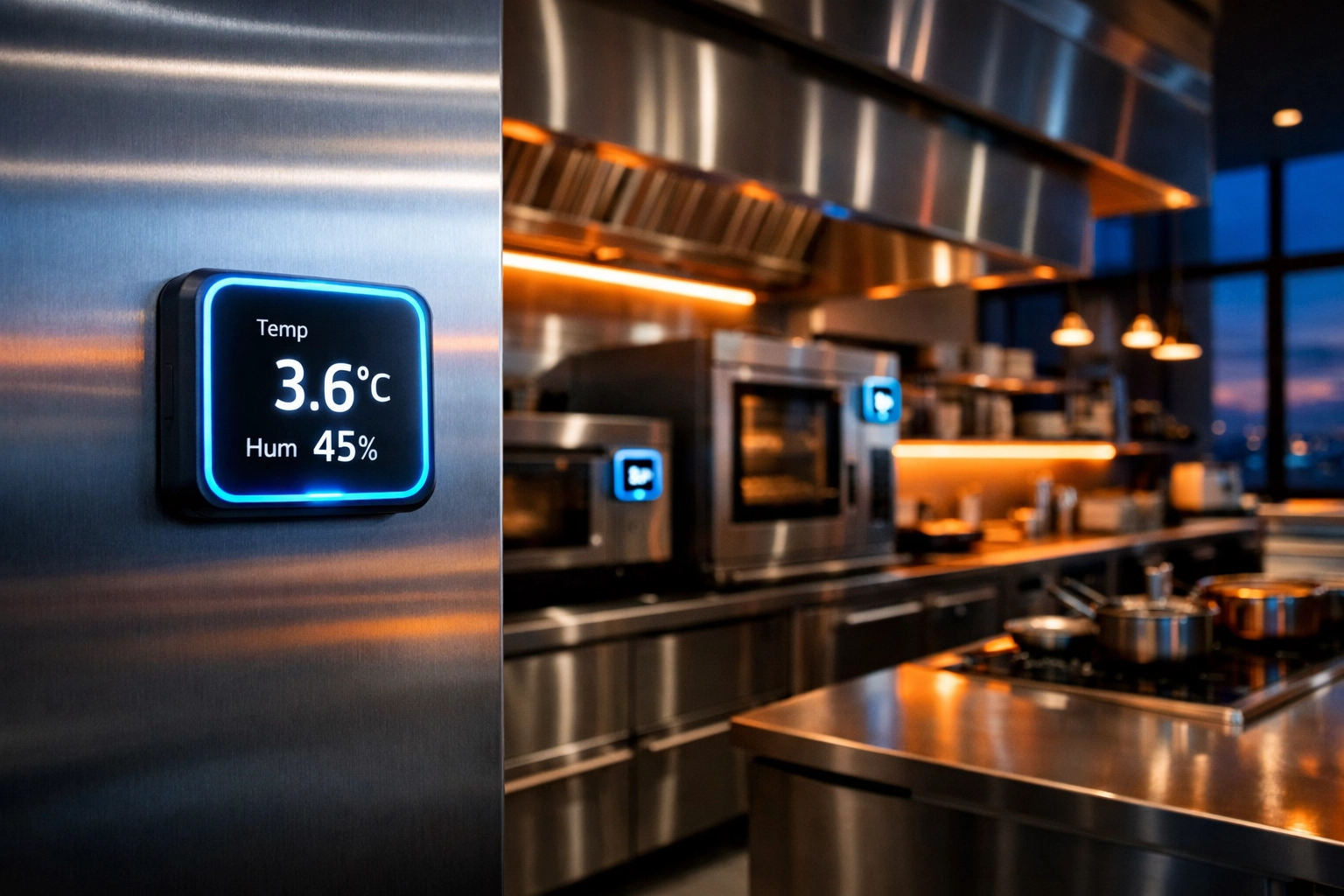
Food Spoilage: Smart refrigeration systems maintain precise temperature logs and send instant alerts when conditions drift out of safe zones. Computer vision systems deployed at national chains are achieving 95% accuracy in measuring food quantity and tracking spoilage patterns, helping operators understand exactly where waste occurs and why.
Rising Labor Costs: When BOH technology automates inventory tracking, monitors cook times, and synchronizes kitchen operations with front-of-house demand, staff can focus on hospitality instead of administrative tasks. The result? Better guest experiences delivered more efficiently.
The Rise of Predictive Maintenance in Restaurant Operations
Traditional maintenance operates on two models: reactive (fix it when it breaks) or scheduled (service it every X months regardless of condition). Both waste money.
Predictive maintenance hospitality solutions use IoT sensors to monitor actual equipment condition continuously. These systems track:
- Compressor performance in refrigeration units
- Temperature consistency across cooking equipment
- Energy consumption patterns that indicate declining efficiency
- Motor vibration signatures that predict bearing failures
- Door seal integrity on walk-ins and reach-ins
When a walk-in cooler's compressor starts drawing 8% more power than baseline, the system flags it for service: weeks before it would fail catastrophically on a busy Friday night. The maintenance happens during a slow Tuesday afternoon, costs a fraction of emergency repair pricing, and prevents inventory loss entirely.
One mid-sized Bay Area restaurant group reduced equipment-related service calls by 60% and extended average equipment lifespan by 3-5 years after implementing IoT-based predictive maintenance across their portfolio.
Real-Time Energy Monitoring: The Silent Profit Center
Energy represents 3-5% of total restaurant operating costs, but most operators have limited visibility into consumption patterns. IoT-enabled energy monitoring systems provide granular, real-time data on exactly how and when energy is being used.
Smart thermostats learn occupancy patterns and automatically adjust HVAC settings. Connected kitchen equipment powers down during slow periods. Lighting systems respond to natural daylight and occupancy sensors.
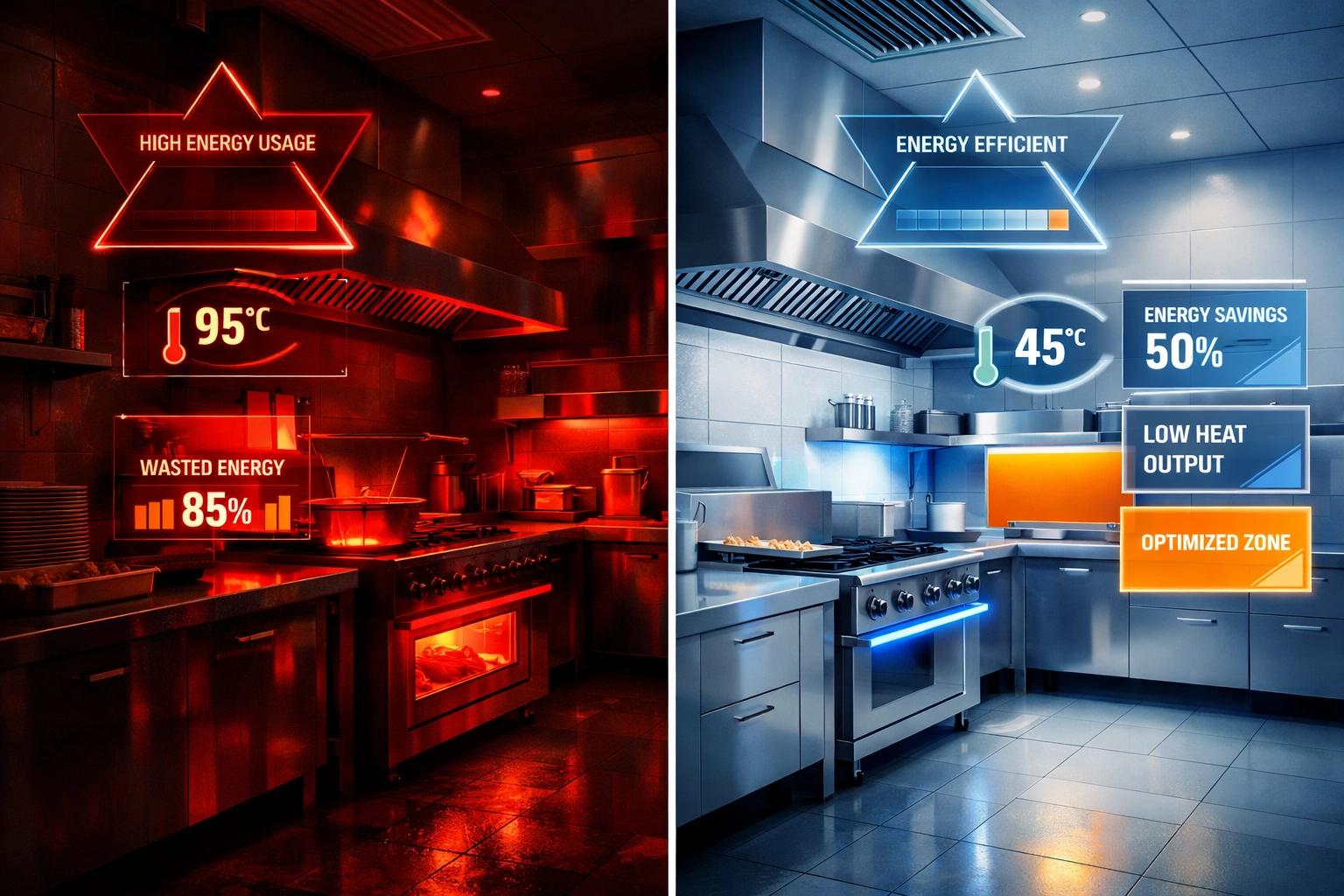
The food waste reduction tech angle is equally compelling. When refrigeration systems maintain optimal temperatures automatically and alert staff to any deviations, spoilage drops dramatically. One quick-service chain reduced food waste by 23% in the first year after implementing IoT temperature monitoring across locations.
How IoT-Driven BOH Data Improves FOH Guest Experience
The most sophisticated restaurant operators understand that back-of-house technology directly impacts front-of-house guest satisfaction. Here's how:
Demand Forecasting: AI-powered IoT systems analyze historical sales data, weather patterns, local events, and even social media trends to predict customer traffic with remarkable accuracy. This enables precise staff scheduling and food prep, ensuring guests never experience long waits or out-of-stock menu items during peak periods.
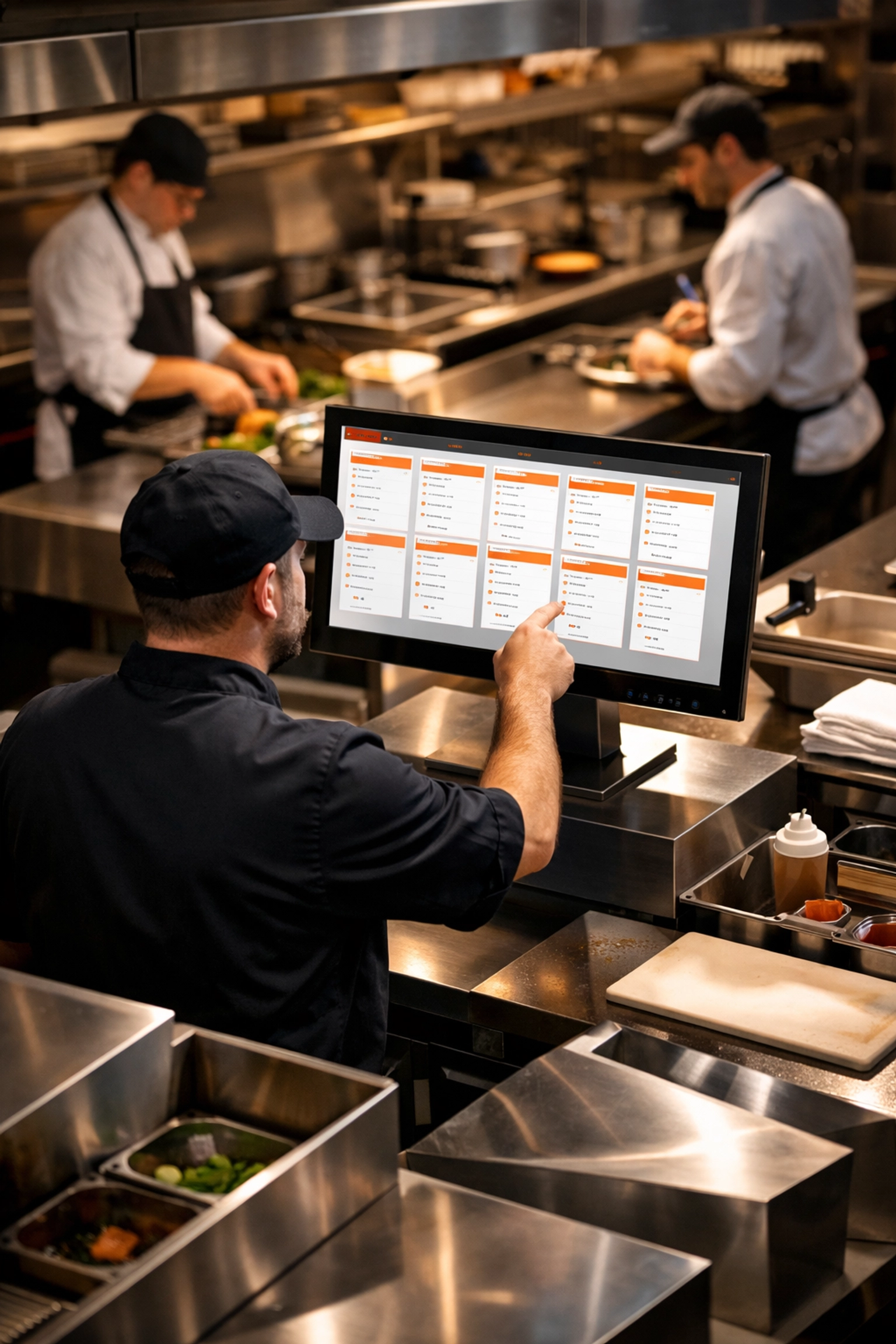
Kitchen Display Systems (KDS): Connected kitchen equipment syncs with point-of-sale systems to optimize meal preparation timing. When an IoT-enabled oven knows three more orders are coming based on FOH demand patterns, it can pre-heat or adjust cooking parameters to maintain speed without sacrificing quality.
Consistency at Scale: Automated cooking systems ensure that a medium-rare steak comes out identically whether it's prepared Tuesday at lunch or Saturday at 8 PM. Guests experience the same quality every visit, building loyalty and positive reputation.
Personalization Through Data: IoT systems tracking ingredient usage and menu performance help operators identify trending items, seasonal preferences, and opportunities for menu optimization. This data-driven approach to menu development keeps offerings fresh and aligned with guest preferences.
How McFadden-Finch Restaurant Consulting Group Helps
Implementing restaurant IoT systems requires more than buying sensors and software. It demands strategic planning, vendor selection, staff training, and ongoing optimization.
The McFadden-Finch Restaurant Consulting Group, a portfolio company within the McFadden Finch Holdings Company family, specializes in helping Bay Area restaurant operators navigate this technology transformation. Their approach focuses on operational excellence restaurants can actually achieve: not pie-in-the-sky technology for technology's sake.
The consulting team conducts comprehensive operational assessments to identify the highest-ROI opportunities for IoT implementation. For some operators, that's predictive maintenance on expensive refrigeration equipment. For others, it's energy monitoring or food waste reduction systems. The key is prioritizing investments that deliver measurable returns quickly while building toward comprehensive operational intelligence.
McFadden-Finch provides vendor-neutral guidance, ensuring operators select IoT solutions that integrate with existing systems and scale as needs evolve. They also develop training programs that help staff embrace these new tools rather than resist them: a critical success factor often overlooked in technology implementations.
Frequently Asked Questions About Restaurant IoT
Is IoT technology hard to install in existing restaurants?
Modern IoT sensors are designed for retrofit installation in existing kitchens. Most temperature monitoring systems install in under an hour per unit with no downtime. More sophisticated predictive maintenance solutions may require professional installation but typically integrate with existing equipment without major modifications. The barrier to entry has dropped dramatically as the technology has matured.
What's the actual ROI timeline?
Most restaurant operators see positive ROI within 8-18 months, depending on which systems they implement first. Energy monitoring and food waste reduction solutions often pay for themselves fastest. Predictive maintenance delivers ROI over longer timeframes but prevents catastrophic failures that can cost tens of thousands in a single incident. Operators should view IoT as infrastructure investment that compounds benefits over time rather than a quick-fix solution.
Does IoT work for small independent restaurants, or is it just for chains?
IoT solutions have become increasingly accessible to restaurants of all sizes. Entry-level temperature monitoring systems start under $1,000 for small operations. Cloud-based platforms eliminate the need for expensive on-premises servers. Many vendors now offer subscription-based pricing that makes advanced analytics available to independents. The smallest operators might start with focused solutions: smart thermostats, temperature sensors on critical equipment: and expand as they see results.
What about data security and privacy?
Reputable IoT vendors prioritize data security with encrypted communications, secure cloud storage, and regular security updates. Restaurant operators should verify that any IoT platform complies with relevant data protection regulations and includes robust access controls. The McFadden-Finch team helps clients evaluate vendor security practices as part of the selection process.
The Future of Restaurant Operations Starts Today
The restaurant industry faces unprecedented challenges: rising labor costs, supply chain volatility, increased competition, and ever-higher guest expectations. Operators who embrace restaurant IoT trends 2026 position themselves to thrive despite these pressures.
Predictive maintenance eliminates costly surprises. Energy monitoring reduces overhead. Food waste reduction improves margins while supporting sustainability goals. Data-driven operations deliver consistency that builds loyal guest relationships.
The technology is proven. The ROI is measurable. The competitive advantage is real.
The question isn't whether to implement IoT in your restaurant operations: it's whether you can afford not to while your competitors gain these advantages.
Ready to transform your restaurant operations with IoT technology? The McFadden-Finch Restaurant Consulting Group helps Bay Area operators implement practical, high-ROI solutions tailored to your specific needs and budget.
About McFadden Finch Holdings Company
McFadden Finch Holdings Company is a Bay Area-based holdings and investment management firm dedicated to building sustainable communities through strategic investments in real estate development, infrastructure, hospitality, and technology. Our portfolio companies, including the McFadden-Finch Restaurant Consulting Group, deliver specialized expertise that helps businesses thrive while contributing to vibrant, resilient communities. We believe that profitable investments and positive community impact are not just compatible: they're inseparable. Learn more at m-fhc.com.
#RestaurantTech #IoTInnovation #HospitalityTech #PredictiveMaintenance #OperationalExcellence