
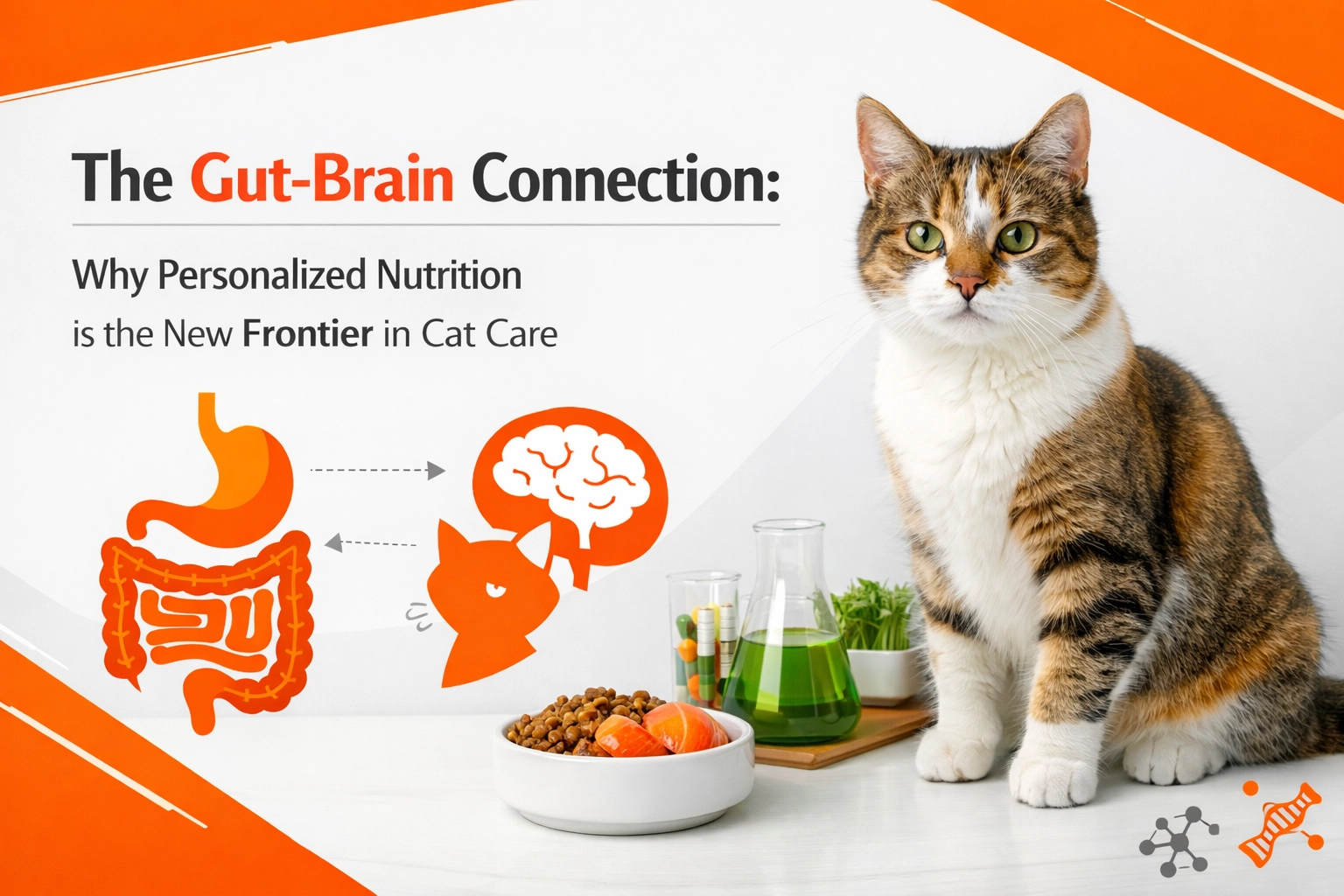
The era of "one size fits all" kibble is over. Welcome to the age of the cat microbiome: where understanding your feline's gut bacteria is just as important as knowing their favorite scratching post. In 2026, personalized cat nutrition isn't just a trend among devoted pet parents; it's becoming the standard of care for cats experiencing everything from chronic allergies to anxiety-driven behaviors.
What once seemed like science fiction: testing your cat's microbiome and tailoring their diet accordingly: is now accessible, affordable, and backed by compelling veterinary research. The gut-brain axis, a sophisticated communication network between the gastrointestinal tract and the brain, is revolutionizing how we approach feline wellness, longevity, and quality of life.
What This Solves: More Than Just Digestive Issues
Cat caregivers have long struggled with challenges that seem to have no clear solution. Why does your cat hide constantly? Why the sudden aggression toward the other household pets? Why the recurring urinary issues despite multiple vet visits and diet changes?
Personalized cat nutrition 2026 addresses these persistent concerns by treating the root cause rather than masking symptoms. Here's what targeted microbiome support can help resolve:
Chronic Feline Allergies: Food sensitivities and environmental allergies often stem from gut imbalance. When beneficial bacteria are depleted, the immune system overreacts to otherwise harmless proteins and particles. Custom cat supplements designed to restore microbial diversity can significantly reduce inflammatory responses and skin issues.
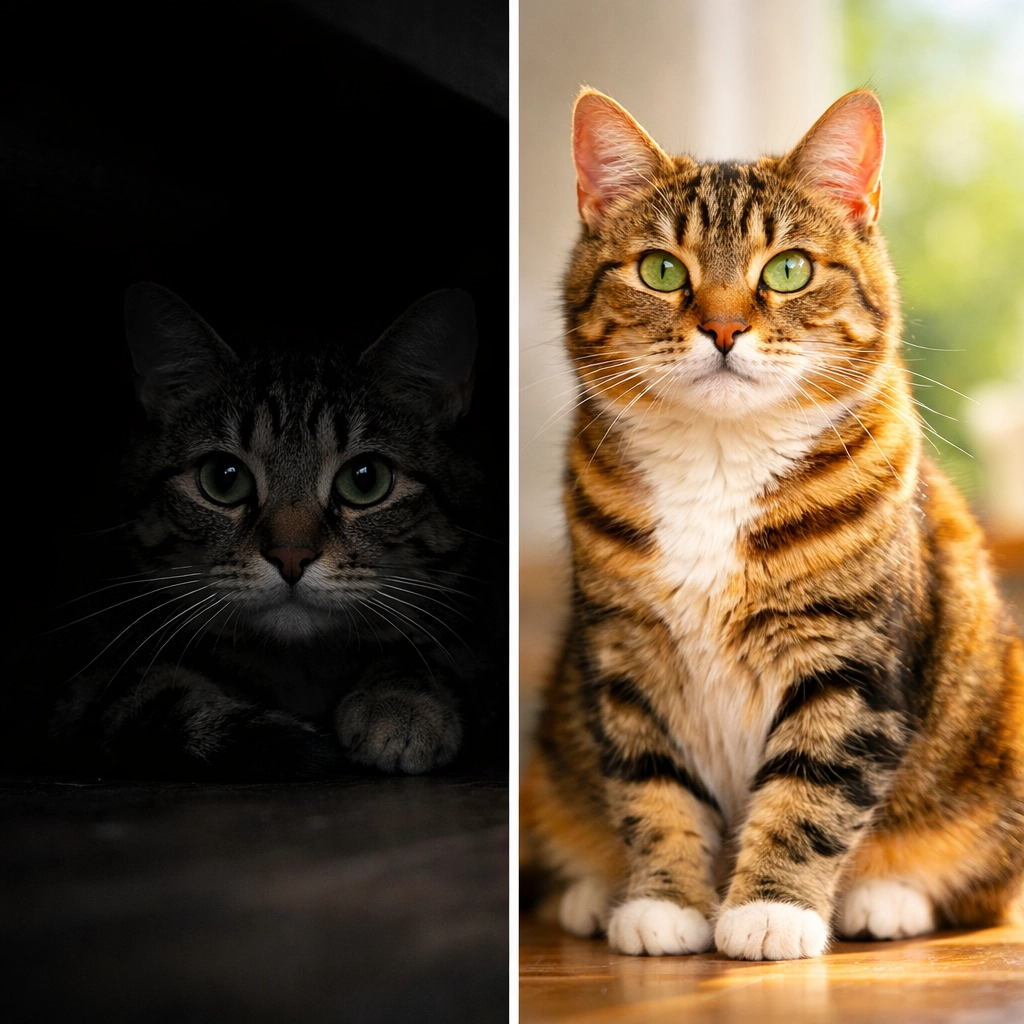
Anxiety-Driven Behaviors: Cats exhibiting stress-related behaviors: hiding, inappropriate urination, excessive grooming, or aggression: may be suffering from a gut microbiome that can't produce adequate calming neurotransmitters. This isn't a behavioral problem you can train away; it's a biological imbalance that requires nutritional intervention.
Longevity Concerns: Premium cat care trends in 2026 increasingly focus on preventative wellness rather than reactive treatment. A balanced microbiome supports immune function, reduces inflammation, and may extend both healthspan and lifespan in aging cats.
The Science Behind Feline Microbiome Testing
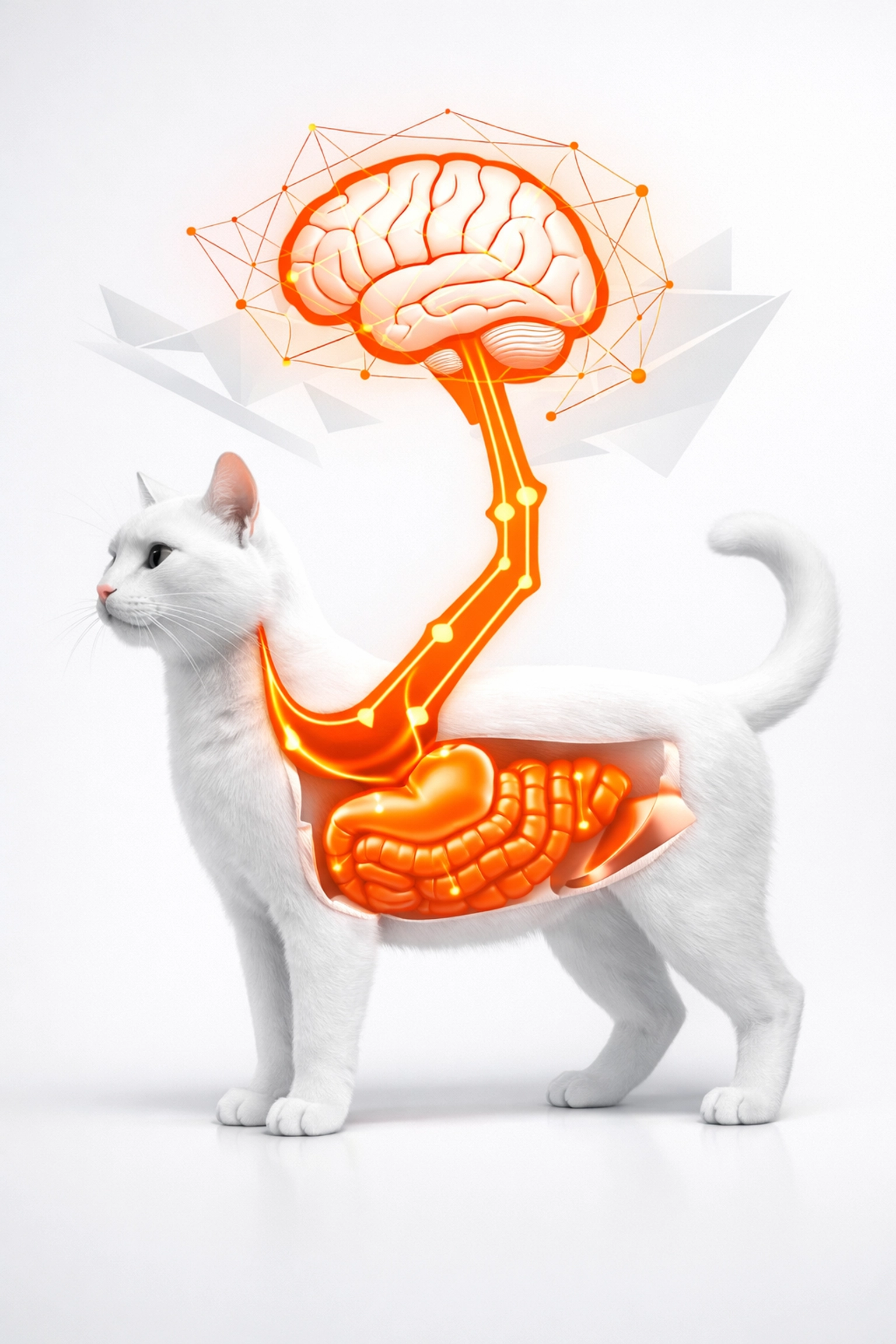
The gut-brain axis functions as a bidirectional highway in cats, with the gut microbiome serving as what scientists call a "second brain." This isn't metaphorical: specific gut bacteria literally produce GABA (gamma-aminobutyric acid), the brain's primary calming neurotransmitter.
When a cat's microbiome is imbalanced, they may have a reduced biological capacity to stay calm and emotionally regulated. Research demonstrates that this gut-produced GABA communicates directly with the brain through the vagus nerve, influencing anxiety and stress responses. Behavioral problems like hiding, aggression, and stress-related urinary issues may stem from gut imbalance rather than purely psychological causes.
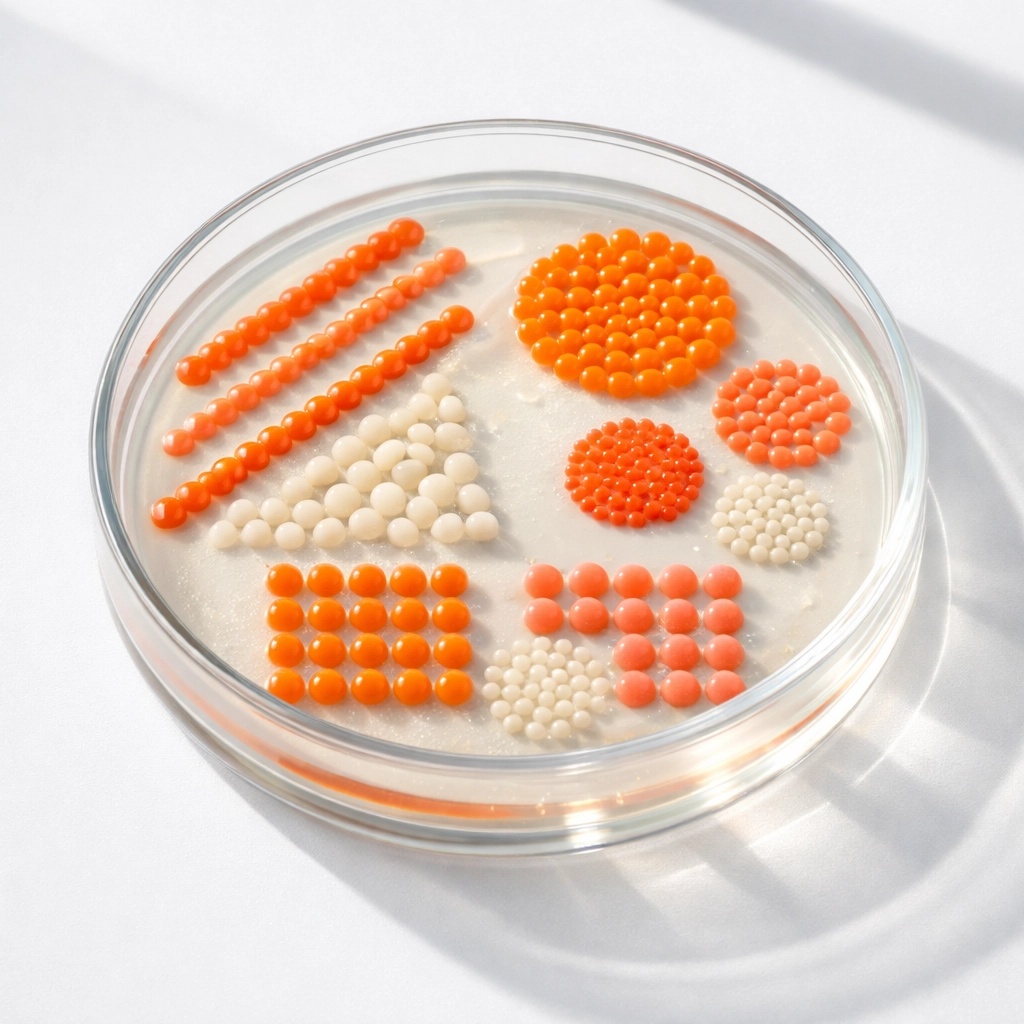
Food composition directly shapes microbiome structure. The source and ratio of protein to carbohydrate significantly influence gut bacteria composition. Studies show that cats fed diets high in fiber produce 25% more beneficial gut bacteria compared to those on low-fiber diets. Additionally, specific prebiotic compounds like short-chain fructooligosaccharides (FOS) and galactooligosaccharides (GOS) significantly increase beneficial Bifidobacterium species concentrations.
Because each cat's dietary needs and microbiome composition differ: influenced by genetics, age, environment, and medical history: targeted nutritional interventions are far more effective than generalized approaches. Veterinarians now describe this as "an actionable target" for addressing behavioral disorders in cats.
From Testing to Transformation: The Personalized Nutrition Journey
The process of implementing holistic pet wellness through microbiome-focused care involves several accessible steps:
Step 1: Feline Microbiome Testing
At-home testing kits allow caregivers to collect a small fecal sample and mail it to specialized veterinary labs. Within two to three weeks, you receive a comprehensive report detailing your cat's unique bacterial profile, including any imbalances or deficiencies.
Step 2: Nutritional Prescription
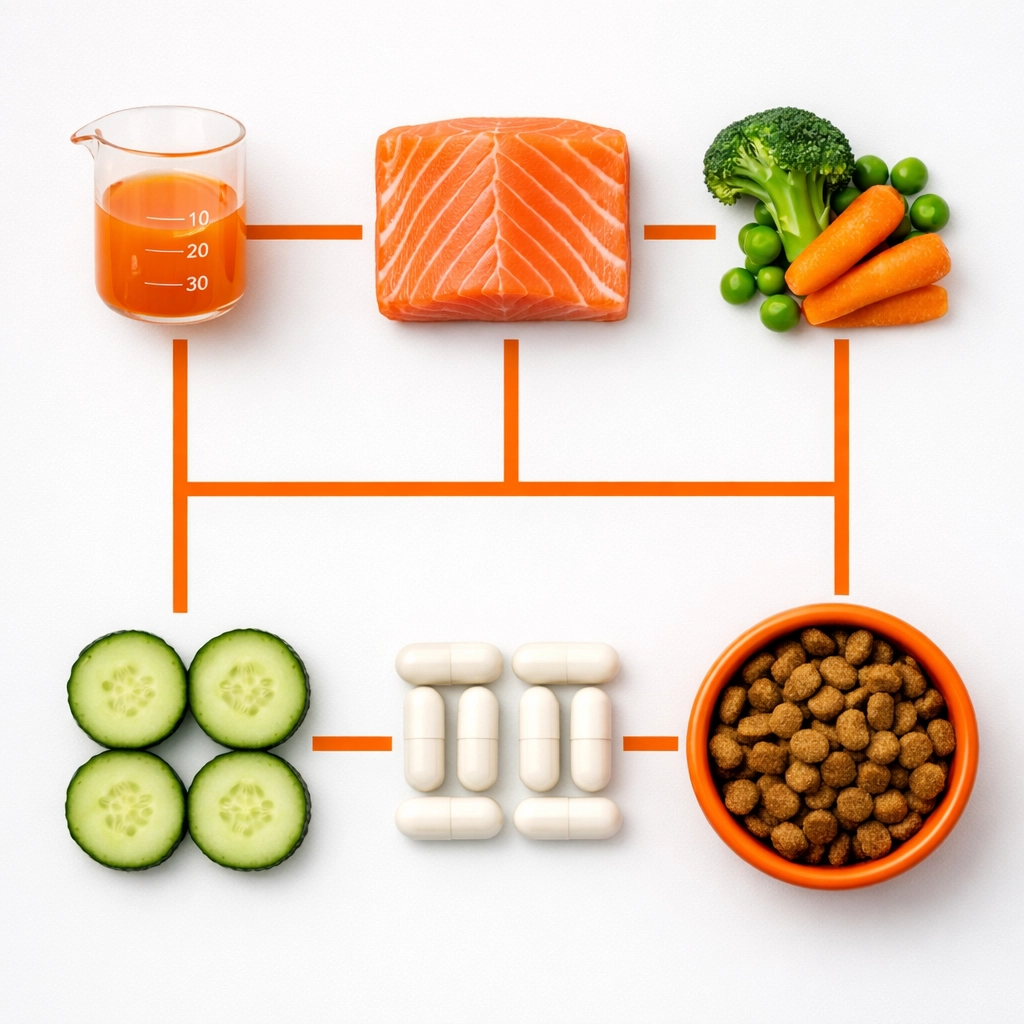
Based on test results, veterinary nutritionists can recommend specific dietary adjustments, prebiotic supplements, and functional ingredients tailored to restore balance. This might include specialized protein sources, novel carbohydrates, or targeted probiotic strains.
Step 3: Functional Supplements
The premium cat care space has embraced functional ingredients once reserved for human wellness. Adaptogens like ashwagandha, medicinal mushrooms such as turkey tail and reishi, and omega-3 fatty acids are entering feline supplement formulations with impressive results. These aren't trends: they're evidence-based interventions designed to support immune function, reduce inflammation, and enhance cognitive health.
Step 4: Monitoring and Adjustment
The most effective personalized nutrition programs include ongoing monitoring. Behavioral observations, periodic retesting, and regular veterinary consultations ensure that interventions are working and can be adjusted as your cat's needs evolve.
Clinical Evidence: Real Results in Real Time
Veterinary case studies document rapid improvements in cat behavior following gut microbiome restoration therapy. Positive changes have been observed sometimes within 30 hours of beginning targeted supplementation: a timeline that seems almost miraculous to caregivers who've struggled with chronic issues for years.
Cats presenting with stress-related urinary issues, hiding behaviors, aggression, and appetite changes have shown significant behavioral resolution after addressing gut health through personalized nutrition. This isn't anecdotal; it's reproducible clinical evidence that's reshaping veterinary medicine's approach to behavioral and chronic health conditions.
How Mission Cats In-Home Care Supports the Journey
At McFadden Finch Holdings Company, our commitment to innovation extends across every portfolio company: including Mission Cats In-Home Care, which is leading the personalized cat nutrition revolution in the Bay Area.
Mission Cats' professional caregivers are trained to recognize behavioral changes that may indicate microbiome imbalance. During in-home visits, they monitor feeding patterns, litter box habits, grooming behaviors, and social interactions: all critical indicators of gut health. This data helps identify cats who would benefit from microbiome testing and nutritional intervention.
More importantly, Mission Cats caregivers provide the consistency and observation necessary to implement and monitor personalized nutrition plans effectively. They can administer custom supplements, track behavioral improvements, and communicate detailed observations to veterinary teams. For busy professionals or families managing multiple pets, this professional support transforms personalized nutrition from an overwhelming project into a seamless wellness upgrade.
Frequently Asked Questions
Is personalized cat nutrition expensive?
Initial microbiome testing typically costs between $150-$300, with follow-up testing recommended every 6-12 months. Custom supplements range from $30-$80 monthly depending on formulation complexity. While this represents an investment, many caregivers find it cost-effective compared to repeated veterinary visits, medications, and the emotional toll of managing chronic behavioral issues.
How do I test my cat's microbiome?
At-home testing kits are available through veterinary practices and specialized pet health companies. The process involves collecting a fresh fecal sample using provided tools, packaging it according to instructions, and shipping it to the lab. Results typically arrive within 2-3 weeks via email or online portal.
What are functional mushrooms for pets?
Functional mushrooms like turkey tail, reishi, and lion's mane contain bioactive compounds that support immune function, reduce inflammation, and may enhance cognitive health. They've been used in traditional medicine for centuries and are now formulated into pet-safe supplements. These are not psychoactive: they're medicinal varieties specifically cultivated for health benefits.
Can I implement this without professional help?
While some caregivers successfully manage personalized nutrition independently, working with veterinary nutritionists and experienced pet care professionals like Mission Cats significantly increases success rates. Professional monitoring helps identify subtle improvements or issues that might otherwise be missed.
The Future of Feline Wellness
Personalized cat nutrition 2026 represents more than a wellness trend: it's a fundamental shift in how we understand and support our cats' health. As microbiome science advances and testing becomes more accessible, the one-size-fits-all approach to pet nutrition will seem as outdated as dial-up internet.
The cats in our care deserve interventions based on their unique biological needs, not generic formulations designed for the broadest possible market. By embracing the gut-brain connection and implementing targeted nutritional strategies, we're not just treating symptoms: we're optimizing the very biological systems that govern behavior, emotion, and long-term health.
For caregivers ready to move beyond reactive medicine and into preventative, personalized wellness, the future is already here.
Meet the Experts
Discover how Mission Cats In-Home Care integrates personalized nutrition monitoring into professional feline care services.
McFadden Finch Holdings Company invests in enterprises that improve quality of life across communities. From premium pet care to sustainable hospitality, our portfolio companies share a commitment to innovation, excellence, and measurable impact. Learn more about our mission at m-fhc.com.